- DIRECT CONTACTS:
- info@atpa.africa

Uganda Joins the World to Celebrate World Tourism Day
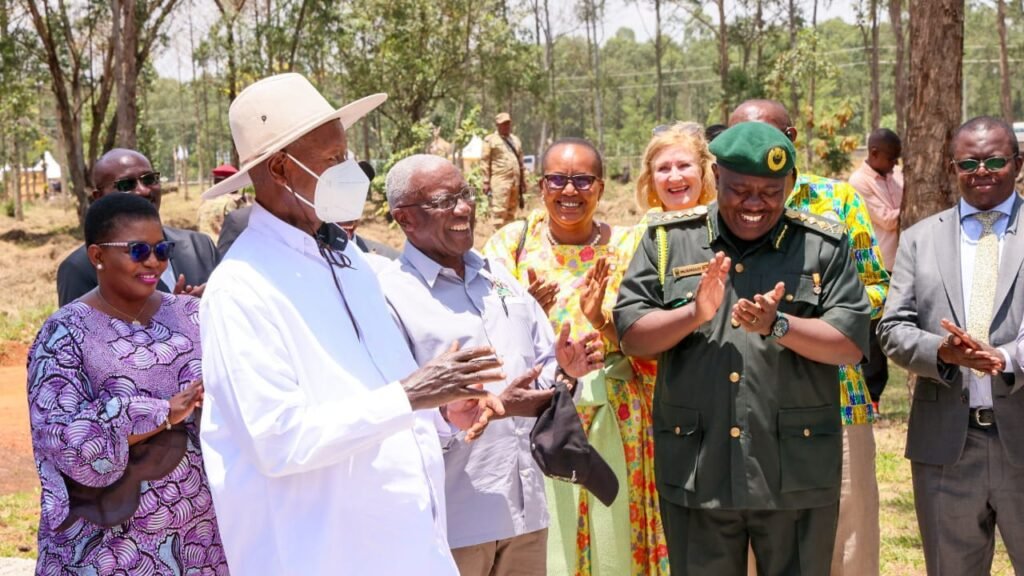
On 27 September 2026, Uganda joined countries around the globe to celebrate World Tourism Day, the annual United Nations observance that recognises the power of tourism to create jobs, protect nature, preserve culture and bring people together. This year, Uganda’s national celebrations were held in Mbale City, in the eastern region at the foot of Mount Elgon, under the national theme “Digital Agenda and Artificial Intelligence to Redesign Tourism.”
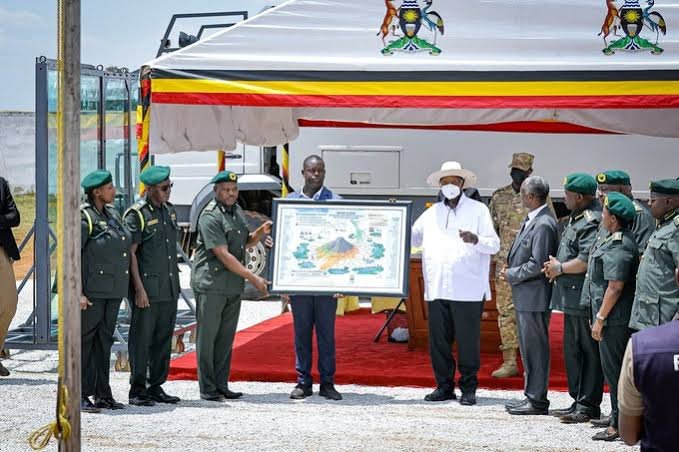
President Yoweri Museveni presided over the main event at Mbale Secondary School grounds, where he commissioned the new Mbale Wildlife Conservation Education Centre, unveiled a Tourism Conservation Strategy for the Elgon Sub-region, and urged Ugandans to see tourism as a real source of household income. Government leaders, diplomats, tourism businesses, students and thousands of residents came together to celebrate the sector and to discuss how digital tools and artificial intelligence (AI) can shape its future.
At the African Tourism Professionals Association (ATPA), we followed the celebrations closely. In this article, we share the highlights, the key messages, the latest tourism figures, what the digital and AI theme means for tourism businesses, and why eastern Uganda deserves a place on every traveller’s map. For more news like this, follow our travel news and blog.
World Tourism Day 2026 in Uganda at a Glance
- Date: 27 September 2026
- Venue: Mbale Secondary School grounds, Mbale City, eastern Uganda
- National theme: “Digital Agenda and Artificial Intelligence to Redesign Tourism”
- Chief guest: President Yoweri Kaguta Museveni
- Highlights: commissioning of the Mbale Wildlife Conservation Education Centre (Mbale Zoo), launch of a Tourism Conservation Strategy for the Elgon Sub-region, a push for digital tourism, and a month of activities promoting eastern Uganda
What Is World Tourism Day?
World Tourism Day is celebrated every year on 27 September under the leadership of UN Tourism, the United Nations specialised agency responsible for promoting responsible, sustainable and universally accessible tourism. The date marks the anniversary of the adoption of the organisation’s Statutes in 1970, and the day has been celebrated since 1980.
Each year, World Tourism Day focuses attention on a theme that reflects a key issue for the sector, and one country hosts the official international celebration. Around the world, governments, tourism boards, businesses, schools and communities organise their own events to highlight the role of tourism in their economies and societies. According to UN Tourism, the official global celebrations for 2026 are hosted in El Salvador, while countries like Uganda hold national events that bring the celebration home.
World Tourism Day is about far more than holidays. It highlights tourism’s contribution to employment, foreign exchange, rural development, conservation, cultural heritage and international understanding. For countries like Uganda, where tourism is one of the leading earners of foreign exchange, it is also an opportunity to showcase new destinations and set the direction for the sector’s future.
Recent World Tourism Day Themes
World Tourism Day themes change every year, reflecting the challenges and opportunities facing the sector. In recent years, UN Tourism has focused on green investment in 2023, when the global celebrations were held in Riyadh, Saudi Arabia; on tourism and peace in 2024, hosted by Georgia; and on tourism and sustainable transformation in 2025, hosted by Malaysia. Each theme has encouraged countries to think about how tourism can contribute to a better future, whether through protecting the environment, building understanding between people or transforming the way the sector operates.
Uganda’s 2026 focus on the digital agenda and artificial intelligence continues this forward-looking tradition. It recognises that technology is now one of the most powerful forces shaping how people discover, plan and experience travel, and that countries which embrace it thoughtfully will be better placed to compete for visitors.
Why Tourism Matters to Uganda
Tourism is one of Uganda’s most important economic sectors and one of its leading sources of foreign exchange. The country’s attractions are remarkably diverse for its size: mountain gorillas in Bwindi and Mgahinga, chimpanzees in Kibale, tree-climbing lions in Queen Elizabeth, the thundering Murchison Falls on the Nile, the snow-capped Rwenzori Mountains, the source of the Nile at Jinja, and more than 1,000 recorded bird species. Winston Churchill famously described Uganda as the “Pearl of Africa”, and the name has stayed with the country ever since.
Tourism creates jobs for guides, drivers, lodge staff, craftspeople, farmers and many others. It funds conservation through park fees and permits, and it gives rural communities a reason to protect forests, wetlands and wildlife. Growing the sector, and spreading its benefits to regions such as eastern Uganda, is therefore a national priority.
Uganda’s National Celebrations in Mbale
Uganda’s Ministry of Tourism, Wildlife and Antiquities chose Mbale City to host this year’s national celebrations. Mbale is the commercial heart of the Bugisu sub-region and the gateway to Mount Elgon National Park, Sipi Falls and the wider Elgon region. Despite its rich natural and cultural attractions, eastern Uganda receives fewer visitors than the country’s famous western circuit of gorilla and savannah parks.
Hosting the national celebrations in Mbale brought government leaders, tourism professionals, media, diplomats and visitors to the region, putting its attractions in the national spotlight. Local leaders and businesses prepared the city with beautification and cleaning activities, and the celebrations were designed to encourage visitors to stay, eat and shop locally, so that tourism income stays in the community.
Kenlink Tours, an ATPA member, covered the preparations in its article on how Uganda celebrates World Tourism Day in Mbale.
The Theme: Digital Agenda and Artificial Intelligence to Redesign Tourism
This year’s national theme asks an important question: how can digital technologies and artificial intelligence change the way tourism works for travellers, businesses and host communities?
The theme reflects a shift that is already underway. Most travellers now research destinations online, compare safari packages on their phones, read reviews, book flights and lodges digitally and share their experiences instantly on social media. AI goes further, helping travellers plan personalised itineraries, translate languages, get answers at any time of day and discover experiences that match their interests and budgets.
According to the Ministry of Tourism, the government plans to use AI for destination marketing, personalizing visitor experiences, analyzing tourism data and supporting better business decisions. At the same time, officials stressed that digital transformation must be inclusive, so that small and medium-sized tourism businesses are not left behind.
How Digital Tools and AI Are Changing Travel
For travellers, the digital revolution in tourism brings many benefits:
- Easier planning: online itineraries, maps, reviews and virtual tours help travellers choose destinations with confidence.
- Personalised recommendations: AI tools can suggest experiences based on interests, budget and travel dates.
- Instant booking: permits, lodges, transport and activities can be reserved online.
- Language support: translation tools help visitors communicate across languages.
- Digital payments: mobile money and card payments make it easier to spend in local communities.
- Real-time information: updates on weather, road conditions and park activities help travellers adapt their plans.
What the Digital Agenda Means for Tourism Businesses
For tour operators, lodges, hotels, guides and other tourism businesses, digital tools and AI can:
- Improve customer service with fast, accurate responses to enquiries.
- Streamline bookings and payments through online systems.
- Reach new markets in Europe, Asia, the Americas and across Africa through websites, search engines and social media.
- Forecast demand and manage pricing more effectively using data.
- Tell better stories about destinations through photos, video and engaging content.
- Collect feedback and reviews to improve quality.
A small tour company or community guesthouse in eastern Uganda can now reach travellers anywhere in the world through a strong website, good online reviews and clear, well-written content. This is exactly why professional training in digital skills is so important. ATPA supports members through our member trainings.
Voices From the Tourism Sector
During the launch of this year’s celebrations, several leaders shared their perspectives on the digital theme, as reported by the Ministry of Tourism:
- The Uganda Tourism Board, led by CEO Juliana Kagwa, highlighted the storytelling potential of eastern Uganda and the opportunity to use digital channels to share the region’s attractions with the world.
- The Uganda Wildlife Authority announced open park days and wildlife education initiatives to encourage domestic visitors.
- The Uganda Tourism Association, represented by Vice President Isa Kato, stressed how technology shapes the way travellers discover and book experiences.
- Mbale City leadership, through Mayor Joyce Matuka Kidulu, confirmed beautification preparations and the city’s ambition to position itself for digital tourism.
Together, these voices reflected a shared understanding: the public sector, private businesses and local authorities must work together if Uganda is to make the most of the digital opportunity.
Smart Park Gates and Digital Booking
Tourism Minister Col. (Rtd) Tom Butime highlighted practical examples of how Uganda is applying technology in the sector. As reported by Rising Nation Magazine, these include smart gate systems for automated park entry, AI-supported safari planning tools and integrated booking platforms designed to make Uganda more accessible to international travellers.
For visitors, smart gates and digital booking can reduce waiting times, simplify payments and make it easier to plan multi-park itineraries. For park managers, digital systems provide better data on visitor numbers, helping them manage popular sites and protect fragile ecosystems.
Leaving No Business Behind
One of the strongest messages from the celebrations was that digital transformation must be inclusive. Doreen Katusiime, Permanent Secretary of the Ministry of Tourism, Wildlife and Antiquities, emphasised that digital adoption must reach businesses of all sizes, not only large companies.
This is a vital point for Africa’s tourism industry. Many tourism businesses are small, family-run enterprises in rural areas, where internet access, digital skills and investment can be limited. Training, affordable technology and supportive policies are needed to make sure these businesses benefit from the digital shift rather than falling behind. Professional associations like ATPA have an important role to play in sharing knowledge and building skills across the sector.
A Month of Tourism Activities
Uganda’s World Tourism Day was not limited to a single day. According to the Ministry of Tourism, activities throughout September included:
- The launch of Miss Tourism Uganda in early September
- A tourism conference exploring the digital and AI theme
- Student engagement programmes and school competitions, introducing young people to tourism careers and conservation
- A nationwide cleanup on 26 September
- The main World Tourism Day celebration on 27 September at Mbale Secondary School
- An “Explore Eastern Uganda” domestic tourism campaign from 28 to 30 September
The Uganda Wildlife Authority also announced open park days and wildlife education initiatives to encourage Ugandans to visit their own national parks. The cleanup campaign built on Uganda’s wider commitment to cleaner communities, which ATPA covered in our article on how Uganda launches National Cleaning Day.
The Main Celebration at Mbale Secondary School
The main event on 27 September brought together President Yoweri Museveni, Tourism Minister Col. (Rtd) Tom Butime, the Netherlands Ambassador to Uganda, H.E. Angèle Samura, Mbale City Mayor Joyce Matuka Kidulu, senior government officials, tourism industry leaders and large crowds of residents.
The celebration featured speeches, cultural performances, exhibitions of tourism products and a showcase of eastern Uganda’s attractions. Popular Ugandan musicians were also lined up to entertain the crowds, with Sqoop reporting that artists including Ssuna Ben and Spice Diana would headline the festivities.
President Museveni’s Key Messages
According to Uganda Broadcasting Corporation and SoftPower News, President Museveni delivered several key messages:
- Tourism as household income: he urged Ugandans to tap into the global tourism market, noting that tourism can provide income for households, including those with limited land for agriculture.
- Wealth creation: he placed tourism within the services sector, one of the key areas, alongside commercial agriculture, manufacturing and ICT, where households can participate in wealth creation.
- Environmental protection: he warned that encroachment on wetlands and deforestation threaten Uganda’s tourism potential, and called for stronger protection of forests, wetlands and ecosystems.
- Infrastructure: he said the government plans to extend roads, electricity, water and communication networks to tourism attractions to improve access.
- Digital transformation: he supported the use of digital technology and AI to modernise the sector.
Mbale Wildlife Conservation Education Centre Commissioned
One of the most significant moments of the day was President Museveni’s commissioning of the Mbale Wildlife Conservation Education Centre, popularly referred to as Mbale Zoo. Established by the Uganda Wildlife Authority, the centre is designed to promote wildlife conservation education and boost tourism in the Elgon Sub-region.
Conservation education centres of this kind play an important role in building public support for wildlife. Many Ugandans, especially children, never have the chance to visit a national park, and a centre close to home allows them to see animals, learn about their habitats and understand why protecting them matters.
The new centre is expected to become an important educational resource for schools and families in eastern Uganda, giving young people the chance to learn about wildlife and conservation close to home. It is also expected to attract visitors to Mbale, supporting local businesses in accommodation, transport and catering.
A Tourism Conservation Strategy for the Elgon Sub-region
President Museveni also unveiled a Tourism Conservation Strategy for the Elgon Sub-region, focusing on the protection of forests and wetlands. Mount Elgon’s forests are vital water catchments for millions of people in Uganda and Kenya, and the region’s wetlands, rivers and waterfalls are key to both livelihoods and tourism.
Linking tourism with conservation is essential for the region’s future. Healthy forests and clean rivers attract visitors, while tourism income can give communities strong reasons to protect their environment. ATPA supports this approach through our environment protection initiatives.
Uganda’s Tourism in Numbers
The celebrations came at a time of strong growth for Uganda’s tourism sector. According to the Ministry of Tourism, between January and June 2026:
- Uganda received 739,815 international visitors, an increase of about 3.7% compared with the same period the previous year.
- Tourism receipts reached approximately UGX 2.3 trillion, an increase of about 25.6%.
- The average length of stay rose from 7.4 to 8.3 nights.
At the main event, the Netherlands Ambassador, H.E. Angèle Samura, also reported strong growth in European arrivals, from about 38,000 visitors in 2024 to around 150,000 in 2025, according to UBC. These figures show growing international interest in Uganda and highlight why investment in digital marketing, infrastructure and new destinations such as eastern Uganda is so important.
Why Mbale and Eastern Uganda Deserve More Visitors
Eastern Uganda has long been one of the country’s hidden gems. Hosting World Tourism Day in Mbale was a chance to show visitors and investors what the region offers:
Mount Elgon National Park. Mount Elgon is an ancient extinct volcano on the Uganda–Kenya border, with one of the largest volcanic calderas in the world. Hikers can trek through montane forest, bamboo and moorland to Wagagai Peak, or enjoy shorter nature walks and caves. Kenlink Tours offers guides to Mount Elgon hiking.
Sipi Falls. A series of three spectacular waterfalls on the slopes of Mount Elgon, surrounded by coffee farms and offering abseiling, hiking and breathtaking views. See Kenlink Tours’ guides to Sipi Falls and abseiling at Sipi Falls.
Bamasaaba culture. The Bamasaaba people of the Bugisu region are known for Imbalu, a traditional circumcision ceremony celebrated with the energetic Kadodi dance, as well as local foods such as malewa, a bamboo-shoot delicacy. The Uganda Radio Network described how Mbale prepared to welcome visitors with its waterfalls, culture and cuisine.
Imbalu is traditionally held in even-numbered years, with the main season usually beginning in August, and it draws large crowds of relatives, visitors and spectators to the Bugisu region. For culturally curious travellers, it offers a rare insight into a living tradition that marks the passage of young Bamasaaba men into adulthood. Visitors who attend should do so respectfully, ideally with a local guide who can explain the customs and advise on appropriate behaviour and photography.
Arabica coffee. The slopes of Mount Elgon produce some of Uganda’s finest Arabica coffee, and coffee tours let visitors follow the journey from farm to cup.
More Attractions in Eastern Uganda
- Jinja and the Source of the Nile: white-water rafting, kayaking, bungee jumping and boat trips on the world’s longest river. See Kenlink Tours’ tours to Jinja and 3 days Jinja with Sipi Falls tour.
- Pian Upe Wildlife Reserve: a remote savannah reserve, the second-largest protected area in Uganda.
- Nyero Rock Paintings: ancient rock art near Kumi, a site of cultural and historical importance.
- Kidepo Valley National Park: further north, one of Africa’s most remote and beautiful wilderness areas. See Kenlink Tours’ guide to Kidepo Valley National Park.
For an overview, see Kenlink Tours’ guide to tourist attractions in eastern Uganda, and explore Uganda on our Uganda destination page.
Mbale City: A Growing Regional Hub
Mbale is one of Uganda’s newer cities and a growing commercial and educational centre for the eastern region. According to Rising Nation Magazine, the government’s plans for the area include expanding reliable roads, power, water and telecommunications to tourism hubs, along with proposed urban developments such as a regional university and a stadium in Mbale City. Improved infrastructure and a stronger urban base can make it easier for tourism businesses to grow and for visitors to explore the Elgon region.
For travellers, Mbale is a convenient base for day trips to Sipi Falls, Mount Elgon and the surrounding countryside. The city offers a range of hotels, restaurants and markets, and it is well connected by road to Kampala, Jinja and other parts of eastern Uganda.
Tips for Visiting Mbale and Mount Elgon
- Getting there: Mbale is a few hours’ drive from Kampala, usually via Jinja, making it easy to combine with a Nile adventure.
- Best time to visit: the drier months, from June to August and December to February, are best for hiking and waterfall visits, although the region is green and beautiful year-round.
- What to pack: good walking shoes, a rain jacket, warm layers for higher altitudes and sun protection.
- Experiences to include: a visit to Sipi Falls, a coffee tour, a guided hike on Mount Elgon and a taste of local dishes such as malewa.
- Travel with a professional operator who knows the region and can arrange guides, transport and accommodation.
Combining Eastern Uganda With the Classic Safari Circuit
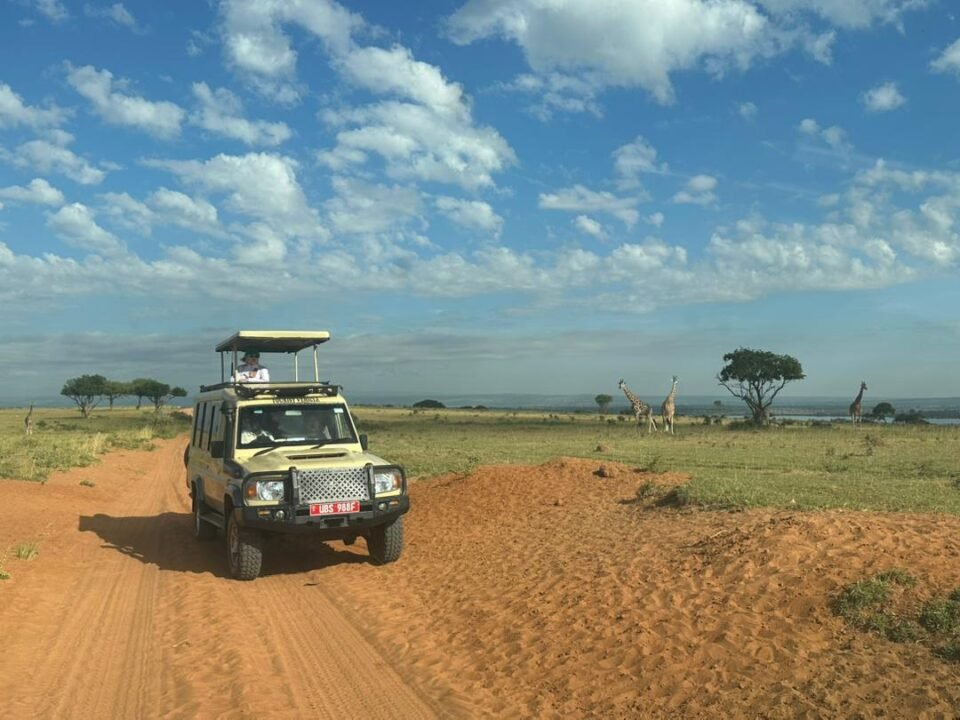
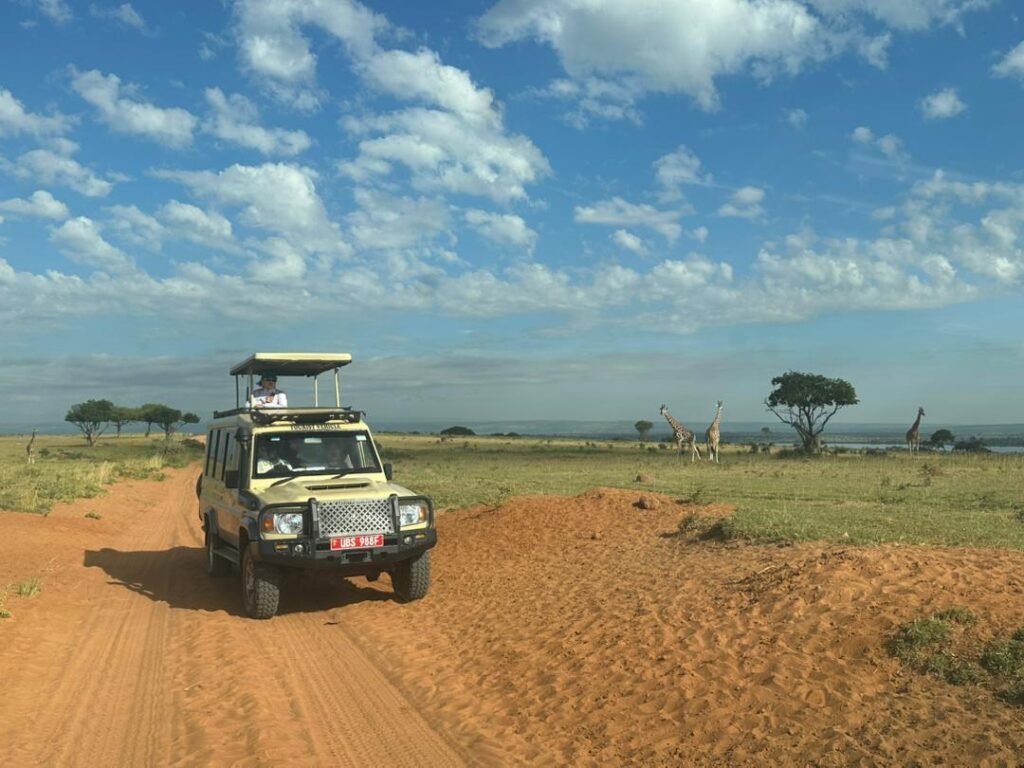
One of the best ways to spread the benefits of tourism is to combine eastern Uganda with the country’s better-known attractions. A typical itinerary might begin with the source of the Nile at Jinja, continue to Sipi Falls and Mount Elgon, and then head north to Kidepo Valley National Park, or west to Murchison Falls, Kibale Forest, Queen Elizabeth and Bwindi Impenetrable Forest for gorilla trekking.
For example, a ten-day journey could include two days in Jinja for rafting and a sunset cruise on the Nile, two days in the Sipi area for waterfalls and coffee, and then several days in the west for chimpanzees, game drives and a gorilla trek. Such itineraries give travellers a richer picture of Uganda’s diversity, from volcanic highlands and waterfalls to savannah plains and rainforest, while bringing income to regions that receive fewer visitors.
Tour operators play a key role in making these combinations easy and attractive. By designing and promoting itineraries that include eastern Uganda, ATPA members can help turn the momentum of World Tourism Day into lasting growth for the region. For more ideas, see our page on combining tours.
What Comes Next After World Tourism Day
The real test of any World Tourism Day celebration is what happens afterwards. For Uganda, the next steps include turning the digital agenda into practical tools for businesses of all sizes, completing infrastructure improvements that make eastern Uganda easier to reach, implementing the Elgon conservation strategy, and continuing to market the region to both domestic and international travellers. The opening of the Mbale Wildlife Conservation Education Centre and the “Explore Eastern Uganda” campaign are promising starts, and sustained investment and collaboration will determine how much the region benefits in the years ahead.
Promoting Domestic Tourism
A key goal of this year’s celebrations was to encourage Ugandans to explore their own country. The “Explore Eastern Uganda” campaign and open park days aim to make tourism accessible to local residents, students and families. Domestic tourism is important because it supports businesses during low international seasons, builds national pride in Uganda’s heritage and creates a new generation of travellers and conservationists.
Digital tools can play a big role in domestic tourism too, from social media campaigns that inspire weekend trips to mobile payment systems that make booking easy for local travellers.
What the Celebrations Mean for African Tourism Professionals
For tourism professionals across Africa, Uganda’s World Tourism Day offers several important lessons:
- Digital skills are no longer optional. Travellers expect to find, compare and book experiences online.
- New destinations need investment and storytelling. Eastern Uganda shows how events can put lesser-known regions on the map.
- Conservation and tourism go hand in hand. Protecting forests, wetlands and wildlife protects the product that tourism sells.
- Inclusion matters. Small businesses and rural communities must share in the benefits of tourism growth.
- Collaboration strengthens the sector. Governments, businesses, communities and associations achieve more together.
These principles are at the heart of ATPA’s mission. Learn more about the value of professional networks in our articles on joining a tourism association in Africa and the best tourism associations in Africa.
How Tourism Businesses Can Embrace the Digital Agenda
Inspired by this year’s theme, here are practical steps tourism businesses can take:
- Build a strong, mobile-friendly website with clear information, prices and contact details.
- Publish helpful, accurate content that answers travellers’ questions and ranks well on search engines.
- Encourage and respond to online reviews to build trust.
- Offer simple online booking and payment options, including mobile money and cards.
- Use social media to share stories, photos and videos of your destinations and experiences.
- Explore AI tools responsibly for customer service, content creation and data analysis, while keeping the personal touch that travellers value.
- Protect customer data and respect privacy.
- Invest in staff training so that everyone in your team can use digital tools confidently.
How Technology Can Support Conservation
The digital agenda is not only about marketing and bookings. Technology is increasingly used to protect the very wildlife and landscapes that tourism depends on. Across Africa, conservation teams use digital tools to record ranger patrols, map threats such as snares and illegal logging, monitor wildlife populations and share information quickly between teams. Electronic permit and entry systems also help parks manage visitor numbers, reducing crowding at popular sites and giving managers better data to plan for the future.
When tourism revenue funds these tools, and when data helps parks make smarter decisions, digital transformation becomes a powerful ally for conservation. This connection between technology, tourism and nature was one of the most encouraging messages of this year’s celebrations.
Digital Opportunities for Eastern Uganda
For eastern Uganda specifically, the digital theme opens exciting possibilities:
- Online visibility: listing guesthouses, guides, coffee tours and attractions on maps and booking platforms makes them easier for travellers to find.
- Visual storytelling: photos and videos of Sipi Falls, Mount Elgon’s caldera and Bamasaaba cultural events can inspire visitors who have never considered the region.
- Virtual previews: short virtual tours can give travellers a taste of hikes and waterfalls before they book.
- Direct sales: local coffee producers and craftspeople can sell to visitors and international buyers online.
- Community guides online: local guides can receive bookings and reviews directly, increasing their income and reputation.
Challenges on the Road to Digital Tourism
Embracing the digital agenda also means addressing real challenges:
- Connectivity: internet access can be limited or expensive in rural areas and near national parks.
- Skills: many tourism workers need training to use digital tools effectively.
- Cost: websites, booking systems and marketing require investment that small businesses may struggle to afford.
- Data protection: businesses must handle customer information securely and responsibly.
- Quality of information: AI tools and online platforms must be supported by accurate, up-to-date information about destinations, prices and safety.
Addressing these challenges requires cooperation between government, the private sector, training institutions and associations. By investing in infrastructure, skills and supportive policies, Uganda can ensure that the digital shift benefits the whole sector.
Youth, Education and the Future of Tourism
Young people were at the heart of this year’s celebrations, through school competitions, student engagement programmes and conservation education at the new Mbale Wildlife Conservation Education Centre. Engaging youth is essential for the future of tourism. Today’s students will become tomorrow’s guides, rangers, hoteliers, entrepreneurs, digital marketers and conservationists.
Digital skills give young Ugandans new ways to participate in tourism, from creating travel content and managing social media to developing booking platforms and using data to improve services. Training institutions and professional associations can help turn this enthusiasm into careers that strengthen the sector for years to come.
Keeping the Human Touch
While digital tools and AI can transform tourism, the celebrations also reminded everyone that tourism is ultimately about people. The warmth of a guide’s welcome, the knowledge of a ranger, the stories of a community elder and the hospitality of a lodge team cannot be replaced by technology. The best future for tourism combines the efficiency of digital tools with the authenticity and human connection that make travel meaningful.
Sustainability at the Heart of Tourism
World Tourism Day 2026 in Uganda placed a strong emphasis on protecting the environment. From the nationwide cleanup to the Elgon conservation strategy and the new wildlife education centre, the message was clear: tourism can only thrive if nature and communities thrive too.
Tourism businesses can support sustainability by reducing waste, conserving water and energy, supporting local suppliers, respecting wildlife and cultural traditions, and educating visitors about responsible travel. ATPA encourages members to adopt sustainable practices through our environment protection programmes.
World Tourism Day and Conservation Across the Region
World Tourism Day came just days after International Gorilla Day on 24 September, a reminder of how closely tourism and conservation are linked across the Great Lakes region. ATPA recently reported that Kahuzi-Biega National Park is preparing to re-open in the Democratic Republic of Congo, while Uganda and Rwanda continue to welcome visitors to their gorilla parks. Explore primate experiences on our primate safari page.
How Travellers Can Support Uganda’s Tourism
Travellers also have a role to play in building a stronger, more sustainable tourism sector in Uganda:
- Book with licensed, professional operators who support local employment and conservation.
- Explore beyond the famous parks, including eastern Uganda, to spread tourism benefits to more communities.
- Buy local, from crafts and coffee to meals in family-run restaurants.
- Respect local cultures, asking permission before taking photographs and dressing appropriately in villages.
- Leave honest reviews to help good businesses grow and to guide future travellers.
- Travel responsibly, reducing waste and following park rules to protect wildlife.
ATPA’s Commitment to Tourism Professionals
The African Tourism Professionals Association exists to help tourism businesses across the continent grow with professionalism, quality and responsibility. We offer training, marketing support and a trusted network of tour operators, lodges, hotels and other tourism businesses. This year’s World Tourism Day theme aligns closely with our goals: helping members embrace digital tools, reach new markets and deliver excellent experiences, while protecting the natural and cultural heritage that makes African tourism so special.
We congratulate Uganda’s Ministry of Tourism, Wildlife and Antiquities, the Uganda Tourism Board, the Uganda Wildlife Authority, Mbale City and all the stakeholders who made this year’s celebrations a success. Learn more about ATPA.
Plan Your Trip to Uganda With ATPA Members
Whether you want to explore Mount Elgon and Sipi Falls, raft the Nile at Jinja, track gorillas in Bwindi or see wildlife in Queen Elizabeth and Murchison Falls, ATPA members can help you plan a safe and memorable trip. Member companies include:
- Kenlink Tours – Uganda safaris
- Pick and Transfer Safaris
- Iconic Africa Safaris
- Pembury Tours
- Camptrek Safaris
- Afrigaze Uganda Safaris
See our full list of tour companies, accommodations and members, as well as our guide to recommended tour companies in Africa. For travellers deciding where to go, our guide to the best country to visit in East Africa and our places to visit page are a great place to start. Kenlink Tours also shares the latest industry updates on its travel news page.
Frequently Asked Questions
When is World Tourism Day?
World Tourism Day is celebrated every year on 27 September.
Where did Uganda celebrate World Tourism Day 2026?
Uganda’s national celebrations took place at Mbale Secondary School grounds in Mbale City, eastern Uganda.
What was Uganda’s theme for World Tourism Day 2026?
“Digital Agenda and Artificial Intelligence to Redesign Tourism.”
Who was the chief guest?
President Yoweri Kaguta Museveni.
What was commissioned during the celebrations?
The Mbale Wildlife Conservation Education Centre (Mbale Zoo), established by the Uganda Wildlife Authority. A Tourism Conservation Strategy for the Elgon Sub-region was also unveiled.
How is Uganda’s tourism performing?
According to the Ministry of Tourism, Uganda received 739,815 international visitors between January and June 2026, with tourism receipts of about UGX 2.3 trillion and a longer average stay of 8.3 nights.
What can visitors do in eastern Uganda?
Hike Mount Elgon, visit Sipi Falls, enjoy coffee tours, experience Bamasaaba culture, raft the Nile at Jinja and explore wildlife reserves such as Pian Upe.
Looking Ahead
Uganda’s World Tourism Day 2026 celebrations in Mbale showed a country ready to embrace the future of tourism. With a clear focus on digital transformation and AI, strong growth in visitor numbers, new investments in conservation education and a commitment to protecting forests and wetlands, the sector is well positioned for the years ahead. Just as importantly, the celebrations shone a light on eastern Uganda, a region with enormous potential to welcome more visitors and share the benefits of tourism with its communities.
At ATPA, we are proud to support tourism professionals who are driving this change across Africa. If you run a tourism business and want to grow through training, networking and professional standards, apply for ATPA membership today, read why African tourism businesses should join ATPA, or contact us to learn more. Follow our updates for the latest tourism news from across the continent.