- DIRECT CONTACTS:
- info@atpa.africa

Mbale Zoo Opens as Uganda Marks World Tourism Day
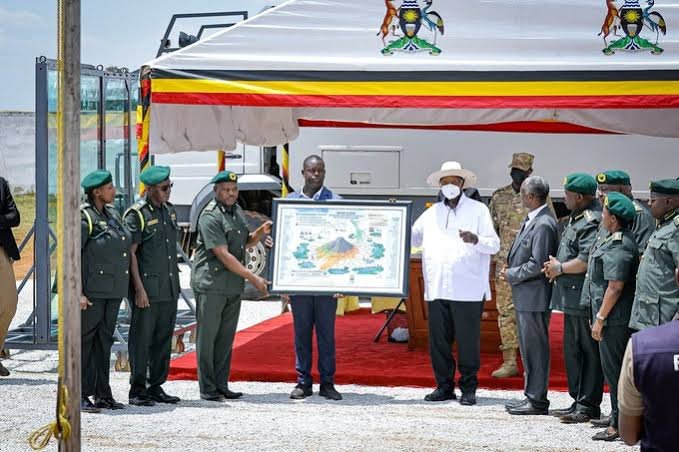
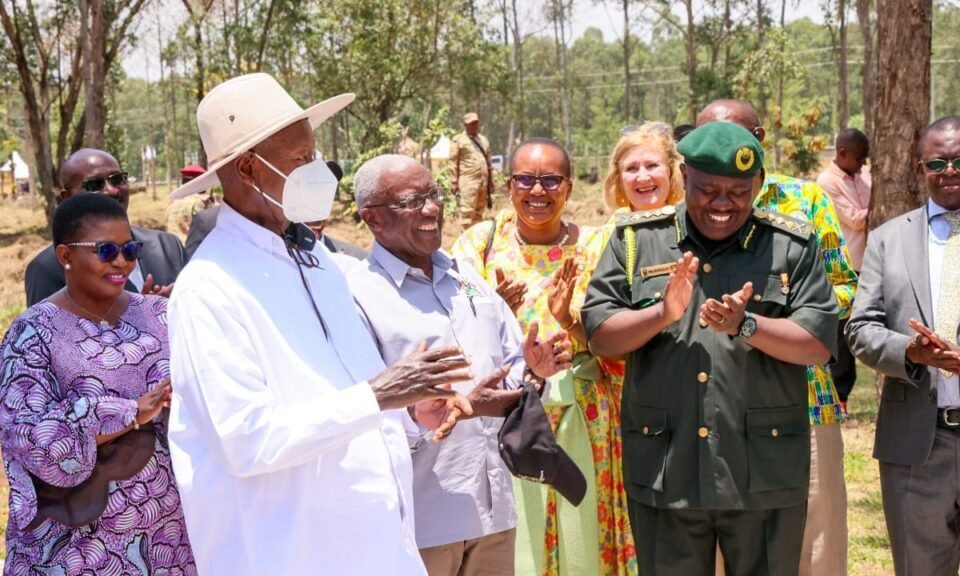
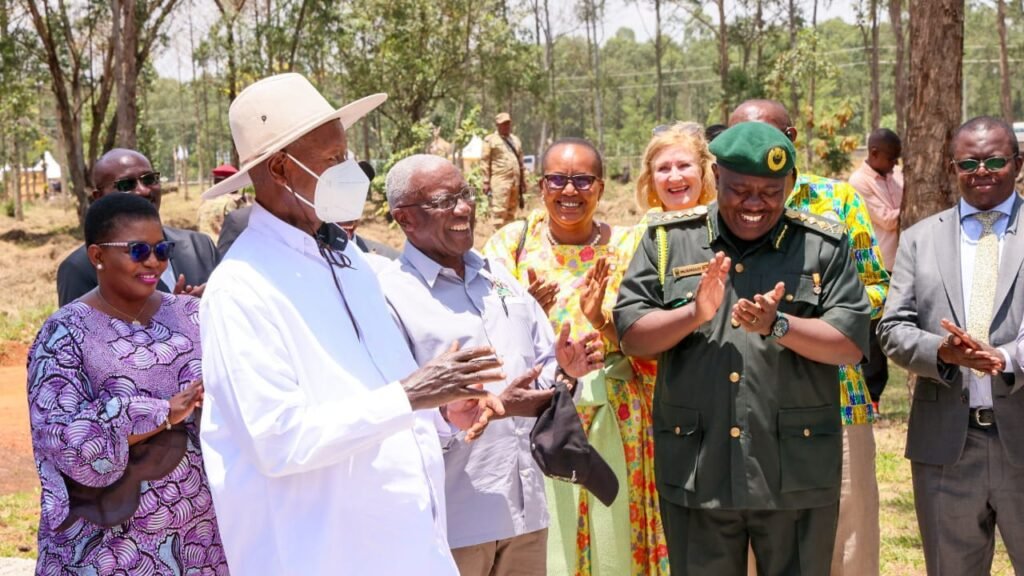
MBALE I UGANDA I Mbale Zoo Opens as Uganda Marks World Tourism Day. Eastern Uganda has a new attraction, and it could change how thousands of Ugandans, especially young people, experience wildlife. On 27 September 2026, as Uganda marked World Tourism Day in Mbale City, President Yoweri Museveni formally commissioned the Mbale Wildlife Conservation Education Centre, popularly known as Mbale Zoo. Established by the Uganda Wildlife Authority (UWA), the centre is Uganda’s first regional satellite zoo, created to bring conservation education closer to communities in the east and to boost tourism in the Elgon sub-region.
For decades, Ugandans who wanted to see lions, zebras and other animals up close outside a national park had to travel to Entebbe. Now, families, schools and visitors in eastern Uganda have a wildlife education centre on their doorstep. At the African Tourism Professionals Association (ATPA), we believe this is an important development for conservation, education and tourism. In this article, we look at what the centre is, how it came about, the animals it houses, why it matters, and how it can help put eastern Uganda on the tourism map.
This article complements our coverage of how Uganda joined the world to celebrate World Tourism Day. For more updates, follow our travel news.
Mbale Zoo at a Glance
- Official name: Mbale Wildlife Conservation Education Centre (Mbale Regional Wildlife Conservation Education Centre)
- Managed by: Uganda Wildlife Authority (UWA)
- Location: near Mbale City, along the Mbale–Tororo road, on land within National Forestry Authority reserves in the Mount Elgon region
- Size: about 60 acres allocated, with part of the site developed in the first phase
- First animals: lions, a zebra, a waterbuck, an ostrich and peacocks, relocated from Entebbe
- First phase goal: to house around 16 animal species
- Launched: by Vice President Jessica Alupo in June 2026
- Commissioned: by President Yoweri Museveni on World Tourism Day, 27 September 2026
From June Launch to World Tourism Day Commissioning
The Mbale Zoo story unfolded in several stages during 2026. In late May and early June, UWA began relocating the first animals from the Uganda Wildlife Conservation Education Centre in Entebbe to the new site in Mbale. According to Uganda Radio Network, the first arrivals included two lions, a zebra, a waterbuck, an ostrich and several peacocks, and veterinary teams reported that the animals were adjusting well to their new home.
In June, Vice President Jessica Alupo officially launched the centre at a ceremony attended by the State Minister for Tourism, Susan Nsambu Nakawuki, UWA Executive Director Dr. James Musinguzi, UWA Board Chairperson Prof. James Kalema and other leaders, as reported by the Ministry of Tourism and Nile Post. The Vice President described the facility as a deliberate effort to decentralise conservation education and make it more accessible to the people of eastern Uganda.
Then, on 27 September 2026, as Mbale hosted Uganda’s national World Tourism Day celebrations, President Museveni formally commissioned the centre, placing it at the heart of the country’s tourism celebrations. As reported by UBC and Rising Nation Magazine, the commissioning highlighted the centre’s role in promoting wildlife conservation and regional tourism.
What Is the Mbale Wildlife Conservation Education Centre?
The Mbale Wildlife Conservation Education Centre is a wildlife facility designed primarily for education, conservation awareness and tourism. Like Uganda’s long-established centre in Entebbe, it gives visitors the chance to see and learn about wild animals in a controlled, managed environment. Its focus is not only on displaying animals, but on teaching visitors why wildlife matters and how people can help protect it.
The centre forms part of UWA’s community and ex-situ conservation work. Following government reforms that brought the Uganda Wildlife Education Centre under UWA, the authority is now expanding conservation education beyond Entebbe to other regions of the country, with Mbale as the first satellite site.
A Brief History: From Entebbe Zoo to a National Network
Uganda’s experience with wildlife education centres goes back many decades. The facility in Entebbe began in the mid-twentieth century as a place to receive and care for animals, and it later became widely known as Entebbe Zoo. In the 1990s it was transformed into the Uganda Wildlife Education Centre, with a stronger focus on conservation education, rescue and rehabilitation of animals, and public awareness. Over the years it has welcomed millions of visitors, including generations of Ugandan schoolchildren.
The Mbale centre builds on this legacy. Instead of expecting everyone to travel to Entebbe, Uganda is now creating a network of regional centres that take wildlife education to the people. Mbale is the first step in that journey.
Uganda’s First Regional Satellite Zoo
Mbale Zoo is described as Uganda’s first regional satellite zoo. For many years, Uganda’s only major zoo-style facility was in Entebbe, on the shores of Lake Victoria. While it has educated generations of Ugandans and visitors, it is far from many parts of the country. For schools in eastern, northern or western Uganda, a trip to Entebbe can be long and expensive.
By establishing a satellite centre in Mbale, UWA is bringing wildlife education closer to millions of people. Dr. James Musinguzi explained that when animals are nearby, communities develop a stronger sense of attachment to wildlife, which in turn builds support for conservation. This community connection is at the heart of the project.
Location and Size
The centre is located near Mbale City along the Mbale–Tororo road, on land within National Forestry Authority reserves, in the wider Mount Elgon conservation region. According to the Daily Monitor, the centre has been allocated around 62 acres of land, of which about 37 acres had been developed at the time of its launch, while the Ministry of Tourism describes a site of about 60 acres with expansion plans underway.
Its location makes it easy to reach from Mbale City and convenient for visitors travelling to or from Sipi Falls, Mount Elgon National Park, Tororo and the Kenya border. For tourism, this means the centre can easily be added to itineraries in eastern Uganda.
The Animals at Mbale Zoo
The first animals relocated to Mbale from Entebbe, as reported by allAfrica and Uganda Radio Network, include:
- Lions, Africa’s iconic big cats and a major attraction for visitors of all ages
- A zebra, instantly recognisable by its black-and-white stripes
- A waterbuck, a large antelope found near water in Uganda’s savannah parks
- An ostrich, the world’s largest bird
- Peacocks, colourful birds that add beauty to the grounds
According to UWEC officials quoted by Uganda Radio Network, the centre’s first phase is expected to eventually house around 16 animal species. As more animals arrive, the centre will offer an even richer introduction to Uganda’s wildlife. Visitors should check with UWA for the latest information on the animals currently on display.
Meet the Animals and Where to See Them in the Wild
Each of the animals at Mbale Zoo tells a story about Uganda’s wildlife and the importance of conservation:
Lions. Lions are among Africa’s most iconic animals and a top attraction on any safari. In Uganda, wild lions are found in Queen Elizabeth National Park, famous for the tree-climbing lions of Ishasha, as well as Murchison Falls and Kidepo Valley National Parks. Lion populations across Africa have declined because of habitat loss, conflict with livestock owners and poaching, making education about their protection especially important.
Zebras. Plains zebras roam the savannahs of Lake Mburo and Kidepo Valley National Parks. Their stripes are unique to each individual, like fingerprints, and scientists still debate their exact purpose, with theories ranging from confusing predators to deterring biting flies.
Waterbucks. These large, shaggy antelopes are common in Uganda’s savannah parks, usually near rivers and lakes. Males carry impressive curved horns, and the species is easily recognised by the white ring on its rump.
Ostriches. The world’s largest and heaviest bird cannot fly, but it can run at remarkable speeds. In Uganda, wild ostriches are found mainly in the north-east, particularly in Kidepo Valley National Park.
Peacocks. While not native to Africa, peafowl are popular in parks and gardens around the world for their spectacular plumage and add colour to the centre’s grounds.
Seeing these animals at Mbale can inspire visitors to go on to see their wild relatives in Uganda’s national parks, creating a link between the education centre and the country’s wider safari industry.
Moving the Animals From Entebbe to Mbale
Relocating wild animals is a complex and delicate operation. It requires careful planning, veterinary care, appropriate transport and suitable enclosures at the destination. UWA’s teams moved the animals from Entebbe to Mbale in stages, monitoring their health and behaviour throughout the journey and after arrival.
Transporting large animals such as lions over long distances requires specially designed crates, experienced handlers and careful timing to reduce stress. On arrival, animals are usually kept in holding areas for a period of acclimatisation, allowing keepers and veterinarians to monitor their feeding, movement and behaviour before they are introduced to their main enclosures. Veterinary leadership reported that the first arrivals at Mbale were adjusting well to their new environment.
Moving animals within an established conservation system, rather than capturing them from the wild, is an important principle for education centres. Many animals in such facilities have been rescued, orphaned, injured or confiscated from illegal trade, and cannot survive independently in the wild. Education centres give them a safe home, while helping the public understand the threats wildlife faces.
Why Decentralise Conservation Education?
Conservation education has traditionally been concentrated in a few places, most notably Entebbe. This has meant that many Ugandans, particularly children in rural areas, rarely have the chance to see wildlife up close or learn about it in an engaging way. The Mbale centre aims to change this by:
- Reducing travel distances for schools and families in eastern Uganda
- Making wildlife education more affordable by cutting transport costs
- Building a sense of ownership of wildlife among local communities
- Supporting research and learning for students and scientists in the region
- Raising awareness of biodiversity and the importance of protecting forests, wetlands and wildlife
As the Daily Monitor noted, the centre serves as a bridge between communities and conservation efforts, making education that was once concentrated in Entebbe accessible to more Ugandans.
Understanding Ex-situ Conservation
The Ministry of Tourism described the Mbale Zoo as marking a new era for ex-situ wildlife conservation in Uganda. Ex-situ conservation means protecting and caring for animals outside their natural habitats, for example in zoos, sanctuaries, breeding centres and rescue facilities. It complements in-situ conservation, which protects animals in the wild, such as in national parks and wildlife reserves.
Ex-situ facilities play several important roles:
- Education: giving people the chance to learn about animals they may never see in the wild.
- Rescue and rehabilitation: caring for injured, orphaned or confiscated animals.
- Research: supporting studies of animal behaviour, health and care.
- Awareness: inspiring support for protecting wild populations and habitats.
In Uganda, where national parks protect gorillas, chimpanzees, lions, elephants and many other species, ex-situ centres like the one in Mbale help build the public understanding and support that in-situ conservation needs to succeed.
The Role of the Uganda Wildlife Authority
The Uganda Wildlife Authority is the government agency responsible for managing Uganda’s national parks, wildlife reserves and wildlife outside protected areas. It manages world-famous destinations such as Bwindi Impenetrable National Park, Queen Elizabeth National Park, Murchison Falls National Park and Mount Elgon National Park.
With the integration of the Uganda Wildlife Education Centre into UWA, the authority now leads both in-situ and ex-situ conservation. The Mbale centre is a practical example of this combined approach, linking the protection of wild habitats with education and community engagement. UWA also used this year’s World Tourism Day season to promote open park days and wildlife education initiatives to encourage more Ugandans to visit their national parks.
Conservation Education for Schools and Young People
Perhaps the most important impact of the Mbale centre will be on young people. School trips to see wildlife can inspire a lifelong interest in nature, science and conservation. For many children in eastern Uganda, the Mbale centre will be their first chance to see a lion, a zebra or an ostrich in person.
Education programmes at such centres typically include guided tours, talks about animal behaviour and habitats, information on threats such as poaching and habitat loss, and practical messages about how people can help protect wildlife and the environment. These experiences help raise a generation of Ugandans who value their natural heritage, and some of these young visitors may go on to become the rangers, guides, veterinarians, researchers and tourism professionals of the future.
ATPA supports skills development in the tourism sector through our member trainings, and we see education centres like Mbale Zoo as valuable partners in building awareness and interest in conservation careers.
Boosting Tourism in Eastern Uganda
Beyond education, the Mbale centre is expected to give a significant boost to tourism in eastern Uganda. According to the Daily Monitor, officials hope the centre will help roughly double the region’s tourism earnings. The newspaper reported that tourism revenue in the east remains very small compared with major destinations such as Bwindi and Murchison Falls, which each earn far more every year.
Eastern Uganda has many natural and cultural attractions, including Mount Elgon, Sipi Falls, other waterfalls, caves, coffee farms and the rich traditions of the Bamasaaba people. However, the region has struggled to attract visitors in the same numbers as the western and northern parks. A wildlife centre close to Mbale City adds a new, family-friendly attraction that can encourage domestic tourists to visit and stay longer, and give tour operators another reason to include the east in their itineraries.
Nile Post reported that the centre is also intended to diversify the region’s tourism offer beyond Mount Elgon hiking, making eastern Uganda attractive to a wider range of visitors, including families, schools and day-trippers.
Uganda’s Tourism Growth in Context
The opening of the Mbale centre comes at a time of strong growth for Uganda’s tourism sector. According to the Ministry of Tourism, Uganda received 739,815 international visitors between January and June 2026, an increase of about 3.7% compared with the same period in the previous year. Tourism receipts over the same period reached approximately UGX 2.3 trillion, an increase of about 25.6%, and the average length of stay rose from 7.4 to 8.3 nights.
These figures show that visitors are coming to Uganda in growing numbers and staying longer. The challenge, and the opportunity, is to spread these benefits more widely across the country. New attractions like Mbale Zoo, combined with better marketing and infrastructure, can help eastern Uganda capture a larger share of this growth.
Economic Benefits for Local Communities
The centre is expected to create a range of economic opportunities for people in and around Mbale:
- Jobs at the centre, including animal keepers, guides, educators, security and maintenance staff.
- Supply contracts for farmers, who can provide food for the animals, as noted by the Daily Monitor.
- Business for hotels, restaurants and transport providers as visitor numbers grow.
- Opportunities for crafts and local products sold to visitors.
- Increased demand for tour guides and operators offering trips in the Elgon region.
When local communities benefit directly from conservation and tourism, they are more likely to support the protection of wildlife and the environment. This link between livelihoods and conservation is essential for long-term success.
Community Participation and Ownership
For the Mbale centre to succeed in the long term, local communities must feel that it belongs to them. This means involving residents in decisions, creating jobs for local people, sourcing supplies locally, welcoming schools and community groups, and ensuring that the benefits of increased tourism reach families in and around Mbale.
When communities see wildlife as an asset rather than a threat or a distant government concern, they become powerful partners in conservation. The centre can also act as a hub for community conservation activities, such as tree planting, wetland protection campaigns, environmental clubs in schools and awareness events. Such activities strengthen the connection between people and nature and support the wider goals of the Elgon conservation strategy.
Mbale Zoo and the Digital Tourism Agenda
The commissioning of Mbale Zoo took place during celebrations focused on the theme “Digital Agenda and Artificial Intelligence to Redesign Tourism.” Digital tools can play a big part in the centre’s success. Online information about opening hours, fees and animals helps visitors plan; social media can share news of new arrivals and educational events; and digital ticketing and payments can make visits smoother. Schools can book visits online, and virtual content can extend the centre’s educational reach to classrooms far beyond Mbale.
For tourism businesses, promoting the centre online, through blog posts, photos, videos and reviews, can help raise its profile among domestic and international travellers alike.
President Museveni’s Commissioning and Key Messages
During the World Tourism Day celebrations at Mbale Secondary School, President Museveni commissioned the centre and used the occasion to share several key messages about tourism and conservation. According to UBC, he urged Ugandans to tap into the global tourism market as a source of household income, stressed the importance of protecting forests, wetlands and ecosystems, and called for improved infrastructure to connect tourism sites to visitors.
He also unveiled a Tourism Conservation Strategy for the Elgon Sub-region, focusing on the protection of forests and wetlands. The commissioning of the Mbale Zoo on the same day underlined the government’s message that conservation and tourism are closely connected.
Other leaders at the celebrations included Tourism Minister Col. (Rtd) Tom Butime, the Netherlands Ambassador to Uganda, H.E. Angèle Samura, and Mbale City Mayor Joyce Matuka Kidulu. The celebrations were held under the national theme “Digital Agenda and Artificial Intelligence to Redesign Tourism.”
Protecting the Elgon Ecosystem
The Mount Elgon region is one of Uganda’s most important ecosystems. The mountain’s forests and moorlands act as a water catchment for millions of people in Uganda and Kenya, feeding rivers and streams that support farming, drinking water and livelihoods. The region is also home to diverse wildlife, from forest elephants and buffaloes in remote areas to primates, antelopes and many bird species.
However, the Elgon region faces pressures from population growth, agriculture, deforestation and wetland encroachment. The new conservation strategy and the education centre together aim to raise awareness and encourage communities to protect these vital resources. ATPA supports such efforts through our environment protection initiatives and our reporting on community campaigns such as Uganda’s National Cleaning Day.
Animal Welfare and Responsible Management
Officials acknowledged that the long-term success of the Mbale centre will depend on maintaining high animal welfare standards, securing community participation and developing infrastructure to handle growing visitor numbers. These are important considerations for any wildlife facility.
Good animal welfare includes spacious, enriched enclosures that meet the needs of each species, proper nutrition, regular veterinary care, protection from stress and disease, and trained, caring staff. Responsible centres also avoid practices that exploit animals for entertainment, and focus instead on education and conservation. Visitors can support good welfare by following the rules, not feeding or disturbing animals, and respecting the guidance of keepers and guides.
Many modern conservation centres also work closely with national parks, universities and research institutions, sharing knowledge on animal health, behaviour and care. Over time, the Mbale centre could become a valuable partner for students and researchers studying wildlife and the environment in eastern Uganda.
More Regional Centres Planned
Mbale is intended to be the first of several regional wildlife conservation education centres. According to the Ministry of Tourism and the Daily Monitor, similar centres are planned for other parts of Uganda, including Gulu in the north, Kyenjojo in the west and Mbarara in the southwest. If these plans are realised, many more Ugandans will have access to wildlife education close to home, and each region will gain a new tourism attraction.
This regional approach could transform the way Ugandans experience and value their wildlife, building a stronger national culture of conservation.
Getting to Mbale
Mbale is well connected by road. From Kampala, the journey heads east through Jinja, the adventure capital of East Africa, and on to Mbale, making it easy to combine a visit to the zoo with a stop at the Source of the Nile. From the Kenyan border, travellers can reach Mbale via Tororo, travelling along the Mbale–Tororo road on which the centre is located. For visitors flying in, Entebbe International Airport is the main gateway, and tour operators can arrange transfers and multi-day itineraries through the east.
Mbale City itself offers a range of hotels, guesthouses, restaurants and shops, making it a comfortable base for exploring the zoo, Sipi Falls, Mount Elgon and the surrounding countryside.
Combining a Visit to Mbale Zoo With Mount Elgon and Sipi Falls
Mbale Zoo is an ideal addition to a trip to the Elgon region. Visitors can combine a visit to the centre with some of eastern Uganda’s best attractions:
- Sipi Falls: a series of three stunning waterfalls on the slopes of Mount Elgon, with hiking, abseiling and coffee tours. See Kenlink Tours’ guides to Sipi Falls and abseiling at Sipi Falls.
- Mount Elgon National Park: hike through forest, bamboo and moorland to the vast caldera and Wagagai Peak. See Kenlink Tours’ guide to Mount Elgon hiking.
- Coffee tours: discover how the region’s famous Arabica coffee is grown and processed.
- Bamasaaba culture: learn about local traditions, including the Imbalu ceremony and Kadodi dance, and taste local dishes such as malewa.
A typical itinerary might include a morning at Mbale Zoo, followed by a drive to Sipi Falls for an afternoon hike and an overnight stay with views across the plains, and a Mount Elgon hike or coffee tour the next day.
Sample Two-Day Itinerary: Mbale Zoo, Sipi Falls and Coffee
- Day 1, morning: arrive in Mbale and visit the Mbale Wildlife Conservation Education Centre, joining a guided tour to learn about the animals and conservation.
- Day 1, afternoon: drive up the slopes of Mount Elgon to Sipi, check in to a lodge with views over the plains, and enjoy a short walk to the main waterfall at sunset.
- Day 2, morning: a guided hike to all three Sipi waterfalls, with optional abseiling for the adventurous.
- Day 2, afternoon: a coffee tour with a local farmer, learning how Elgon’s Arabica coffee is grown, roasted and brewed, before returning to Mbale or continuing to Jinja.
This short itinerary is perfect for families, school groups, domestic travellers and international visitors who want a taste of eastern Uganda.
Other Attractions in Eastern Uganda
- Jinja and the Source of the Nile: white-water rafting, kayaking, bungee jumping and sunset cruises. See Kenlink Tours’ tours to Jinja and 3 days Jinja with Sipi Falls tour.
- Pian Upe Wildlife Reserve: a remote savannah reserve with wildlife and wide open landscapes.
- Nyero Rock Paintings: ancient rock art near Kumi.
- Kidepo Valley National Park: further north, one of Africa’s most spectacular wilderness parks. See Kenlink Tours’ guide to Kidepo Valley National Park.
For an overview of the region, see Kenlink Tours’ guide to tourist attractions in eastern Uganda, and explore more on our Uganda destination page and places to visit.
What Visitors Can Learn at Mbale Zoo
A visit to a conservation education centre is about more than seeing animals. Key lessons that visitors, especially young people, can take away include:
- Every species has a role in its ecosystem, from predators like lions to grazers like zebras.
- Habitats matter: animals depend on healthy forests, grasslands and wetlands.
- Human actions have consequences: poaching, deforestation, pollution and wetland encroachment threaten wildlife and people.
- Everyone can help: by protecting the environment, reporting illegal activities, reducing waste and supporting conservation.
- Wildlife creates opportunities: tourism based on healthy wildlife provides jobs and income for communities.
Tips for Visiting Mbale Zoo
- Check opening hours and entry fees with the Uganda Wildlife Authority before your visit, as details may change as the centre develops.
- Plan school trips in advance so that the centre can arrange guides and educational activities.
- Visit in the morning, when animals are often more active and temperatures are cooler.
- Follow the rules: do not feed, tease or disturb the animals, and stay behind barriers.
- Bring water, sun protection and comfortable shoes.
- Combine your visit with Sipi Falls, Mount Elgon or Mbale City for a full day out.
- Travel with a professional operator if you are coming from Kampala or further afield.
Lessons for Other African Destinations
Uganda’s decision to create regional wildlife education centres offers valuable lessons for other countries across Africa. Many African nations have world-class wildlife, but their citizens often have limited access to it because of distance, cost or lack of awareness. Bringing conservation education closer to communities can:
- Strengthen public support for national parks and conservation policies
- Encourage domestic tourism, making the sector more resilient when international travel slows
- Inspire young people to pursue careers in conservation and tourism
- Spread tourism income to regions that currently receive few visitors
For tourism professionals and associations across the continent, the Mbale model is worth watching closely. Discover how professional networks help share such ideas in our articles on joining a tourism association in Africa and the best tourism associations in Africa. Travellers deciding where to go can also read our guide to the best country to visit in East Africa.
What Mbale Zoo Means for Tourism Professionals
For tour operators, hotels, guides and other tourism businesses, the Mbale centre is a new product that can help sell eastern Uganda. It adds variety to itineraries, gives families and school groups a reason to visit, and creates opportunities for new day trips and packages.
Tourism professionals can:
- Include Mbale Zoo in itineraries that feature Sipi Falls, Mount Elgon and Jinja.
- Develop school and educational tours in partnership with the centre.
- Create domestic tourism packages for families and weekend travellers.
- Promote the centre online, using photos, videos and stories to attract visitors, in line with this year’s digital tourism theme.
- Support local suppliers such as guides, restaurants and craftspeople in the Mbale area.
ATPA members are well placed to lead this effort. Learn more about the benefits of membership in our article on why African tourism businesses should join ATPA, and see how tours can be combined across regions on our combining tours page.
A Step Towards a Stronger Conservation Culture
The opening of Mbale Zoo is about more than one new attraction. It reflects a broader shift in how Uganda approaches conservation: bringing wildlife closer to people, building community support, and linking conservation with education, livelihoods and tourism. When people understand and value wildlife, they are more likely to protect it, whether that means reporting poaching, protecting forests and wetlands, or choosing careers in conservation and tourism.
This approach complements Uganda’s world-class national parks, where visitors can see gorillas, chimpanzees, lions, elephants and many other species in the wild. Explore primate experiences on our primate safari page, and learn about conservation news from across the region, including our report that Kahuzi-Biega National Park is preparing to re-open.
How You Can Support Mbale Zoo and Conservation in Eastern Uganda
- Visit the centre with your family, school or friends, and encourage others to do the same.
- Share accurate information about the centre and its conservation work online.
- Follow the rules and respect the animals during your visit.
- Support local businesses in Mbale and the Elgon region when you travel.
- Protect the environment by reducing waste, planting trees and respecting wetlands and forests.
- Visit Uganda’s national parks, whose fees help fund wildlife protection across the country.
- Volunteer or join conservation clubs in your school or community to take part in local environmental projects.
Plan Your Visit to Eastern Uganda With ATPA Members
ATPA members can help you plan a trip that includes Mbale Zoo, Sipi Falls, Mount Elgon, Jinja and Uganda’s famous national parks. Member companies include:
- Kenlink Tours – Uganda safaris
- Pick and Transfer Safaris
- Iconic Africa Safaris
- Pembury Tours
- Camptrek Safaris
- Afrigaze Uganda Safaris
See the full list of ATPA tour companies, accommodations and members. Kenlink Tours also covered the World Tourism Day celebrations in its article on how Uganda celebrates World Tourism Day in Mbale.
Frequently Asked Questions
What is Mbale Zoo?
Mbale Zoo is the popular name for the Mbale Wildlife Conservation Education Centre, a wildlife education facility established by the Uganda Wildlife Authority near Mbale City in eastern Uganda.
When did Mbale Zoo open?
The centre was launched by Vice President Jessica Alupo in June 2026 and formally commissioned by President Yoweri Museveni on World Tourism Day, 27 September 2026.
What animals are at Mbale Zoo?
The first animals included lions, a zebra, a waterbuck, an ostrich and peacocks, relocated from Entebbe. The first phase is expected to eventually house around 16 species.
Who manages Mbale Zoo?
The Uganda Wildlife Authority, as part of its community and ex-situ conservation work.
Where is Mbale Zoo located?
Near Mbale City along the Mbale–Tororo road, in the Mount Elgon region of eastern Uganda.
Why was Mbale Zoo established?
To bring conservation education closer to communities in eastern Uganda, support research, boost domestic tourism and create economic opportunities in the region.
Will there be more regional zoos in Uganda?
Yes. Similar centres are planned for other regions, including Gulu, Kyenjojo and Mbarara.
A Promising Future for Conservation and Tourism in Eastern Uganda
The opening of Mbale Zoo as Uganda marked World Tourism Day is a milestone for conservation, education and tourism in eastern Uganda. By bringing wildlife closer to communities, the centre will inspire young people, strengthen support for conservation, create jobs and give visitors a new reason to explore the Elgon region. Combined with the region’s waterfalls, mountains, coffee and culture, it helps make eastern Uganda an increasingly attractive destination for domestic and international travellers alike.
At ATPA, we congratulate the Uganda Wildlife Authority, the Ministry of Tourism, Wildlife and Antiquities, Mbale City and all stakeholders on this achievement. If you are a tourism professional interested in promoting destinations like eastern Uganda, apply for ATPA membership or contact us to learn more. Follow our updates and blog for more news from across Africa’s tourism industry.