- DIRECT CONTACTS:
- info@atpa.africa

Recommended Tour Companies in Africa for Tours
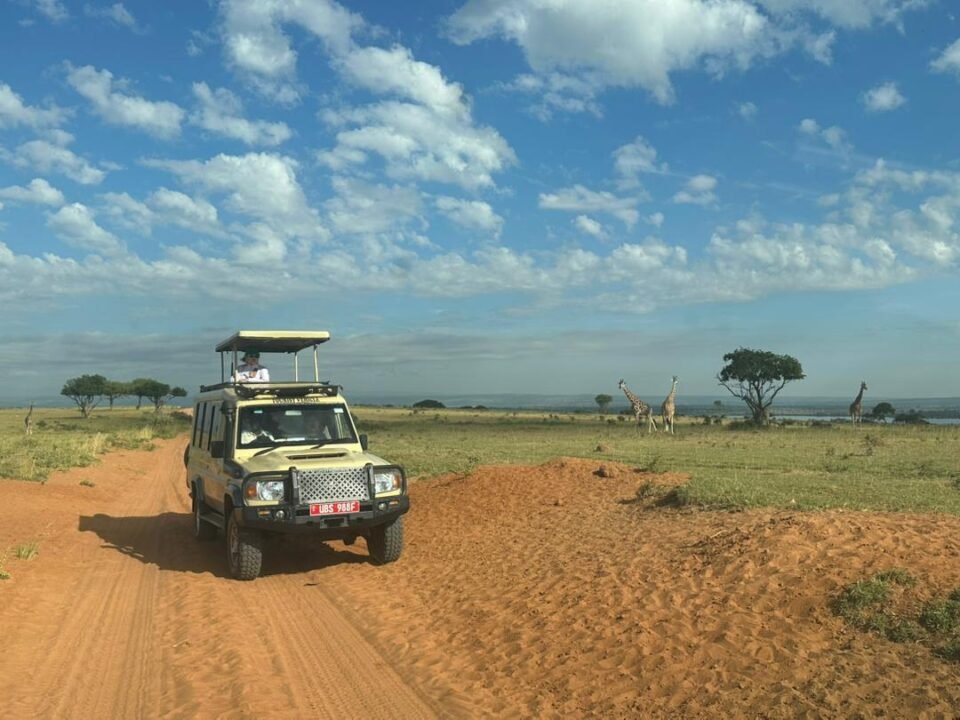
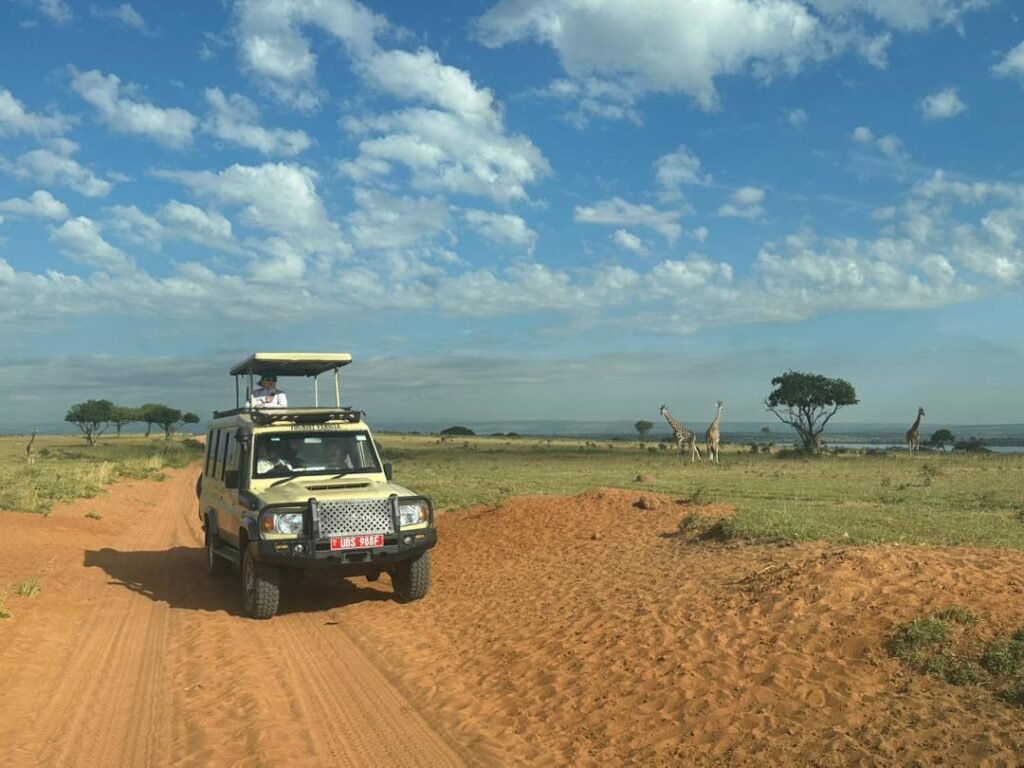
Recommended Tour Companies in Africa for Tours. Planning a trip to Africa is exciting, and it is also a little daunting. There are thousands of tour companies across the continent, from long-established operators with decades of experience to brand-new start-ups with polished websites and very little else. They promise gorilla treks, Big Five safaris, cultural tours and beach escapes, and almost all of them look impressive online. So how do you find one you can truly trust with your time, your money and your once-in-a-lifetime holiday?
That question is exactly why the African Tourism Professionals Association (ATPA) exists. We bring tour companies, hotels, guides, airlines and tourism schools together under one shared mission: growing tourism across the continent responsibly and sustainably. We register and represent qualified tourism professionals across borders, so that travellers have a trusted way to identify verified partners. In this guide, we introduce recommended tour companies in Africa from our member directory, explain what makes an operator worth choosing and show you how to verify any company before you book.
You will find profiles of six member tour companies working in Uganda, Rwanda, Kenya and South Africa, practical checklists for comparing quotes, warning signs to watch for and links to the official tourism authorities that can help you confirm the facts. Whether you are booking a short gorilla trek or a three-week multi-country adventure, this article will help you choose with confidence. You can also explore our full directory of member tour companies at any time.
Why Choosing the Right Tour Company Matters in Africa
On an African safari, your tour company is far more than a booking agent. It is your guide, driver, logistics manager, safety net and cultural interpreter, all rolled into one. A good operator secures the right permits, chooses reliable lodges, positions you at the right waterhole at the right hour and solves problems quietly when a road washes out or a flight is delayed. A poor one can leave you stranded with a missed permit, a broken-down vehicle or a bill that keeps growing.
The stakes are especially high for activities where permits are limited and non-refundable, such as mountain gorilla trekking, where a single missed date can cost you hundreds or even more than a thousand dollars. Long distances, remote parks and unpredictable conditions mean that experience and local knowledge matter enormously. Choosing carefully is not about finding the flashiest website, but about finding a partner who knows the ground, treats people fairly and delivers what they promise.
What Makes a Tour Company Worth Recommending?
When we look at tour companies, we consider a handful of qualities that reliably separate the trusted from the risky. The first is legitimacy: the company should be properly registered and licensed in the country where it operates, with a physical address, real contact details and a verifiable track record. The second is local expertise, meaning guides and planners who know the parks, the seasons, the roads and the people. The third is transparency, which shows up in clear itineraries, itemised inclusions and exclusions, and honest answers to hard questions.
We also value responsible practices, such as fair treatment of staff, support for local communities and respect for wildlife and habitats, and we look at how a company communicates, since clear, prompt, courteous communication before booking is usually a good sign of how it will behave during your trip. Finally, we consider flexibility and safety, including whether itineraries can be tailored, whether vehicles and guides meet professional standards and whether the company has sensible emergency procedures. No operator is perfect, but the best ones consistently score well on all of these points.
How ATPA Helps Travellers Find Verified Partners
Africa’s tourism sector, for all its richness, has long been fragmented, with operators, guides and lodges working in isolation rather than as a connected industry. ATPA changes that by registering qualified professionals, setting benchmarks so that an ATPA badge means real accountability and giving travellers a single place to find members. You can read more about our mission on our about us page, browse our full list of members, including tour companies, hotels and lodges, airlines and tourism schools, and see how our accommodation directory complements the tour operator listings.
It is important to be realistic about what a directory can do. Membership is a helpful starting point and a sign that a company has chosen to be part of a professional community, but it is not a substitute for your own checks. Use ATPA to build a shortlist, then follow the verification steps later in this guide to confirm the details that matter for your trip. If a company is not yet listed, that does not automatically mean it is unreliable, and if it is listed, you should still ask questions.
Recommended Tour Companies in Africa: Our Member Operators
The following six companies are listed in the ATPA tour company directory at the time of writing. Each has its own strengths, destinations and style, so read them as a guide to who does what rather than a strict ranking. Our directory grows as new members join, and you can always check the latest additions on the tour companies page.
Pick and Transfer Safaris: Uganda and Rwanda Specialist
Pick and Transfer Safaris is one of the longest-standing members of our directory, having joined in July 2022. The company describes itself as a specialist ground operator crafting tailor-made safaris, gorilla treks and cultural tours across Uganda and Rwanda. Its particular strength is seamless logistics for travellers who want to combine both countries, including cross-border transfers linking Kigali with destinations across Uganda, which removes a major headache for visitors planning multi-country itineraries.
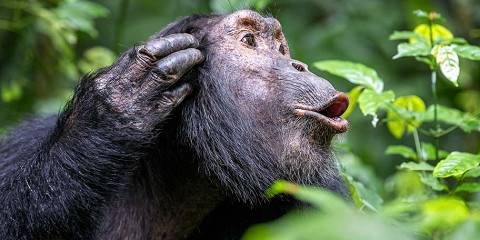
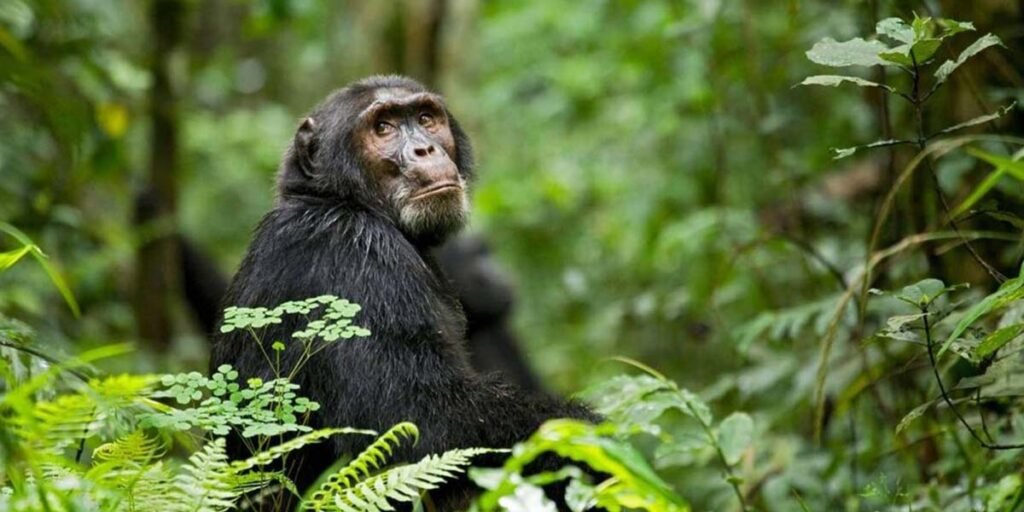
The company’s offerings include gorilla trekking in Bwindi and Rwanda’s Volcanoes National Park, shorter and more affordable gorilla options starting from Kigali, chimpanzee tracking in Kibale Forest, game drives, boat safaris and encounters with tree-climbing lions. It also combines a car hire service with a full safari outfitter, so you can choose anything from simple point-to-point transfers to comprehensive multi-day packages. Read the full Pick and Transfer Safaris member profile, or visit the company’s own website. It is best suited to travellers who want a single point of contact for transport, park entries and guided experiences across Uganda and Rwanda.
Iconic Africa Safaris: Uganda-Based Gorilla and Wildlife Experts
Iconic Africa Safaris is described in our directory as one of Uganda’s leading tour companies, offering unforgettable adventures. Based in Kampala, the company specialises in gorilla and chimpanzee tours as well as wildlife safaris in budget, mid-range and luxury styles, and its website lists trips across Uganda, Rwanda, Burundi, the Democratic Republic of Congo, Kenya and Tanzania. Featured experiences include gorilla trekking in Bwindi, chimpanzee tracking in Kibale, Masai Mara safaris and combined multi-destination packages.
The company says its itineraries are fully customisable, with professional guides, round-the-clock customer support and help with bookings, permits, transport and accommodation. That range of price levels makes it a useful option for travellers who are still deciding how much to spend and want to compare styles. You can learn more on its official website, and find its listing in our members section.
Pembury Tours: Southern and Eastern Africa Since 1996
Pembury Tours is our South African member and one of the most experienced operators in the directory. According to its listing, it has operated since 1996 and has emerged as one of the leading tour operators in Southern and Eastern Africa. The company is based in Port Elizabeth and specialises in tailor-made safaris across countries including South Africa, Botswana, Namibia, Zambia, Tanzania, Kenya and Rwanda, along with island destinations.
Its portfolio covers customised safari holidays, game drives, luxury lodge experiences and multi-country itineraries that combine wildlife viewing with cultural and scenic highlights. For travellers dreaming of the Okavango, Kruger, Cape Town or Victoria Falls, an operator with roots in Southern Africa can be a real advantage, and its long history offers reassurance. Visit the Pembury Tours website to see its current offerings, and read our guide to the African destinations it covers to plan your route.
Camptrek Safaris: Bespoke Journeys from Nairobi
Camptrek Safaris joined our directory in August 2025 and represents Kenya. Our listing describes the company as creating bespoke journeys for discerning travellers seeking Africa’s most extraordinary experiences. Based in Nairobi, it offers luxury and tailor-made tours across Kenya, Tanzania, Uganda and Rwanda, and also covers Southern African countries such as South Africa, Botswana, Namibia, Zambia and Zimbabwe.
The company’s philosophy is private, individually designed safaris, with no fixed departures and no crowded vehicles, and its specialities include gorilla trekking, hot-air balloon safaris, cultural tours and bush-and-beach combinations that pair wildlife reserves with coastal destinations. It is a strong option for travellers who value privacy, flexibility and personal service, especially for honeymoons, family trips and special occasions. Explore its Camptrek Safaris website for current itineraries.
Afrigaze Uganda Safariz: Primate Safaris with a Community Focus
Afrigaze Uganda Safariz, a member since February 2026, is described in our directory as a beacon of professionalism and legal compliance, dedicated to providing unforgettable travel experiences. The company operates safaris in Uganda and Rwanda, with a strong focus on gorilla trekking in Bwindi Impenetrable National Park and Mgahinga Gorilla National Park, as well as chimpanzee tracking in Kibale and wildlife destinations such as Murchison Falls and Lake Mburo.
The company states on its website that a share of its profits, 20 per cent, supports local communities, including orphans and educational projects, which will appeal to travellers who want their trip to make a wider difference. Its seasoned guides are available for booking and assistance around the clock. See its offerings on the Afrigaze Uganda Safariz website.
Golden Rwanda Safaris: Kigali-Based Gorilla and Cultural Tours
Golden Rwanda Safaris joined in May 2025 and is our Rwandan member. Its listing invites travellers to choose the company for their very own African experience, and its website presents it as a full-service incoming operator based in Kigali. It arranges gorilla trekking adventures, cultural experiences, wildlife safaris and adventure activities across Rwanda, Uganda, Tanzania and Kenya, with packages ranging from short one-day experiences to extended multi-week expeditions.
Because it is based in the capital, Golden Rwanda Safaris can be a convenient choice for travellers who want to meet a planner in person and start their journey in Kigali, then extend it into neighbouring countries. Visit the Golden Rwanda Safaris website for current tours and contact details.
Which Tour Company Suits Which Kind of Trip?
Choosing between operators is easier when you start with the trip you want rather than the company name. If your priority is a smooth Uganda and Rwanda combination with one point of contact for transfers, park entries and guided activities, a specialist ground operator such as Pick and Transfer Safaris or Golden Rwanda Safaris fits naturally. If you are still deciding on a budget and want to see budget, mid-range and luxury styles side by side, Iconic Africa Safaris is a useful company to speak to. For a private, individually designed journey across several countries, Camptrek Safaris positions itself around bespoke travel, and for travellers who dream of the Okavango, Kruger and Victoria Falls, Pembury Tours brings a long Southern African track record.
Travellers who care about giving back may prefer a company whose community commitments are stated openly, such as Afrigaze Uganda Safariz. Families and honeymooners often value flexibility and personal service, while independent travellers may only need transport and permits arranged. Write down your must-have experiences, your dates, your budget range and your travel style, then send the same brief to two or three companies from our tour company directory. Comparing how each one responds will tell you a great deal about how they will treat you on the road.
Recommended Tour Companies in Africa by Destination
Africa is not one destination but dozens, and the best operator for one region is not always the best for another. Local knowledge matters most, so it usually pays to choose a company based in, or deeply experienced in, the country you plan to visit. Below is a short regional guide to help you match your plans to the right kind of operator, with links to official sources so you can confirm the latest details.
Uganda: Gorillas, Chimpanzees and the Pearl of Africa
Uganda is one of the world’s great primate destinations, with mountain gorilla trekking in Bwindi Impenetrable National Park and Mgahinga Gorilla National Park, chimpanzee tracking in Kibale Forest and classic savannah safaris in Queen Elizabeth, Murchison Falls and Lake Mburo. Gorilla permits are issued through the Uganda Wildlife Authority, so any operator you consider should be able to explain exactly how they secure yours. You can review park information and conservation news on the Uganda Wildlife Authority website, and general destination information on the Uganda Tourism Board website. Read our own Uganda destination guide for an overview of the country’s highlights.
Rwanda: Volcanoes, Kigali and Compact Adventures
Rwanda’s small size is a major advantage, because you can trek gorillas in Volcanoes National Park, explore Kigali’s cultural sites and relax on Lake Kivu within a single week. The Rwanda Development Board oversees permits and park management, and its official website is the place to confirm current rules, while Visit Rwanda offers inspiration and practical planning advice. Our Rwanda destination page and our guide to Volcanoes National Park explain what to expect, and our primate safari page shows how gorilla and chimpanzee experiences fit together.
Kenya: The Maasai Mara and Beyond
Kenya is the classic safari country, with the Maasai Mara, Amboseli, Tsavo and the Laikipia plateau offering everything from the great wildebeest migration to elephants beneath Mount Kilimanjaro. For accurate park details and destination inspiration, consult Magical Kenya, the country’s official tourism site, and the Kenya Wildlife Service, which manages the national parks and reserves. When you compare Kenyan operators, ask whether they use their own vehicles and guides in the Mara, since the quality of your guide shapes your wildlife viewing more than almost anything else. Learn more on our Kenya destination page.
Tanzania and Southern Africa: Serengeti, Kruger and Victoria Falls
Tanzania’s Serengeti and Ngorongoro Crater rank among the finest wildlife areas on the continent, and the Tanzania Tourist Board provides official destination information. Further south, South Africa, Botswana, Namibia, Zambia and Zimbabwe offer self-drive routes, delta safaris and waterfalls, with South African Tourism serving as a helpful starting point for planning. Our African destinations guide and our wider destinations directory show how these regions connect, which is useful if you plan to combine East and Southern Africa in a single journey.
How to Verify a Tour Company Before You Book
Verification takes an hour or two and can save you thousands of dollars. Start with the basics: find the company’s registered name, physical address and licence details, and check that they match across its website, its social media pages and its emails. Then confirm with the relevant authority. In Uganda, the Uganda Tourism Board is responsible for tourism regulation and quality assurance, and it is worth asking the company for its licence number and checking it with the board directly. In Rwanda, the Rwanda Development Board oversees tourism and conservation, and in Kenya the tourism regulatory bodies and the Kenya Wildlife Service can advise on licensing and park rules.
Next, look for a track record you can check independently. Read recent reviews on several platforms rather than only the testimonials on the company’s own site, look at how long it has been operating and see whether it appears in the directories of professional bodies such as ATPA. Ask for the names of past clients who might share their experience, or for photographs and details from recent trips. A genuine operator will be glad to provide this, while a doubtful one will be evasive. Finally, call the phone number, send an email and see how quickly and clearly they respond.
Warning Signs and Common Safari Scams to Avoid
Most tour companies are honest, but a small number of fraudulent or careless operators cause a disproportionate amount of trouble, particularly for first-time visitors booking online. Be cautious if a company has no physical address, uses only free email accounts, refuses to name a licence or registration number, or has a website that copies text and photographs from other companies. Prices far below the market rate are another red flag, since permits, park fees, vehicles, fuel and guides all have real costs that a genuine operator cannot escape.
Be especially careful about payment. Never send money to a personal bank or mobile-money account when you are booking with a company, and be wary of pressure tactics such as “only one permit left” or “the price goes up tonight”. Gorilla permits, for example, are issued by the authorities and can be checked; if a company cannot show you proof that your permit has been secured, stop and ask questions. If something feels wrong, trust your instincts, walk away and report it to the relevant tourism authority.
Questions to Ask Before You Choose a Tour Company
A short list of well-chosen questions will reveal almost everything you need to know. Ask who will guide you and how long they have worked with the company, what vehicle you will travel in and how many passengers it carries, and what exactly is included in the price, including park fees, permits, meals, drinks, airport transfers and accommodation. Ask how the company handles emergencies, delays and vehicle breakdowns, whether it can arrange medical evacuation support and what happens if you must cancel or change your dates.
Ask, too, about the small details that shape a good trip: group size, pace, flexibility to adjust the itinerary once you arrive and how the company treats its drivers and staff. Reputable operators welcome these questions and answer in writing, giving you something to refer to later. If the answers are vague or inconsistent, that tells you something too. You can send your questions to several members through our contact page if you would like help finding a suitable match.
Understanding Safari Prices and What Is Included
Safari prices can look confusing because two quotes for the same trip may include very different things. A low headline price may leave out park entry fees, permits, drinks, tips or airport pick-ups, while a higher price may bundle them all. Always ask for an itemised quote showing accommodation, transport, park and activity fees, guide services and meals, and compare like with like. Permit prices for activities such as gorilla trekking are set by the authorities and can change, so confirm the current rates on the official websites rather than relying on an old brochure.
Style matters as well. Budget trips typically use shared vehicles, simpler lodges or camps and fewer extras, mid-range trips offer private vehicles and comfortable lodges, and luxury trips add high-end lodges, private guides and sometimes charter flights. Neither is better in itself; what matters is that the price matches the promise. Our tours page gives examples of the kinds of packages that professional operators offer, and it is a useful way to get a feel for typical itineraries.
Payments, Cancellations and Travel Insurance
Before you pay a deposit, read the booking terms carefully. Find out how much is due upfront, when the balance is payable, which payment methods are accepted and what the company’s cancellation and refund policies are, especially for non-refundable permits. Ask for a written invoice with the company’s registered name and bank details, and keep every email and receipt. Pay by a traceable method, and prefer the company’s official business account over any personal account.
Comprehensive travel insurance is not optional on a long, remote trip. Choose a policy that covers medical treatment and evacuation, trip cancellation and delays, lost baggage and any adventure activities you plan, such as gorilla trekking, hot-air ballooning or white-water rafting. Check that pre-existing conditions are covered, carry your policy details and emergency numbers with you and share them with your tour company. A little preparation gives you the confidence to relax and enjoy the trip.
Recommended Hotels and Lodges from the ATPA Directory
A great tour company is only half of a successful trip; the other half is where you sleep. ATPA also lists accommodation providers, and several members can be matched to the destinations covered above. In Rwanda, the directory includes Virunga Lodge, which is associated with the Volcanoes National Park region, and Lake Kivu Serena Hotel on the shores of Lake Kivu, a natural spot to unwind after a trek. In Uganda, it lists Ikoro Hotel in Kisoro, a convenient base for gorilla trekking in the south-west, as well as Tilenga Safari Lodge, and in Kenya it includes Maasai Mara Riverside Lodge for travellers heading to the Mara. Nsala Wilderness Camp is another listing worth a look.
Check each listing for location, style and contact details, and confirm prices and availability directly, since rates change with the season. When you send a brief to a tour company, tell them whether you would like them to book from our accommodation directory or to suggest their own preferred lodges. Many operators have long relationships with particular properties, which can mean better rooms and smoother service, while independent travellers may enjoy choosing their own stays.
When Is the Best Time to Travel with a Tour Company in Africa?
Timing affects both prices and the quality of the experience, so it is worth discussing with your operator early. In East Africa, the drier months, roughly June to September and December to February, are generally the most comfortable for gorilla trekking and game viewing, because trails are firmer and roads more reliable. The wet seasons bring lush scenery, fewer visitors and often lower rates, but paths can be muddy and some roads become challenging. Gorilla trekking takes place all year, so many travellers choose the shoulder months to enjoy the forest with fewer crowds.
In Southern Africa the pattern differs, with the dry winter from around May to October offering the best wildlife viewing at waterholes and rivers, while the green summer months suit birdwatching and coastal holidays. A good operator will explain the trade-offs for your specific dates instead of simply telling you what you want to hear. Because the best lodges and permits sell out months ahead in peak seasons, start planning early, ideally six to twelve months before you travel.
Travel Responsibly: Choose Companies That Protect People and Wildlife
Tourism can be a powerful force for good, but only when it is done thoughtfully. Park and permit fees help pay for rangers, veterinary care and habitat protection, and community-owned lodges and tours give local people a direct stake in conservation. When you compare tour companies, ask how they support local communities, whether they employ and train local guides and staff, how they manage waste and what rules they follow around wildlife, including keeping a respectful distance from animals and never feeding them.
At ATPA, we believe a happy environment is a happy life for everyone, and we promote conservation as a priority in all tourism development. You can read more on our environment protection page, and see how community action can make a difference in stories such as when Uganda launched a national cleaning day. Small choices matter too: carry a reusable water bottle, take your litter with you, buy crafts from local artisans and follow your guide’s instructions in the forest and on the savannah.
Packing and Preparation Tips for Your First African Tour
Once you have chosen your operator, good preparation makes the trip smoother. Pack layers in neutral colours, sturdy walking shoes, a rain jacket, a hat, sunscreen, insect repellent and a small first-aid kit, and carry a daypack for water, snacks and a camera. For gorilla and chimpanzee trekking, add gloves, long trousers and long sleeves, which protect against nettles and insects, and consider gaiters if your operator recommends them. A pair of binoculars enhances almost every wildlife experience.
Check entry and health requirements well in advance, including passport validity, visas, vaccinations such as yellow fever where required and malaria precautions for lowland parks. Visa rules change, so confirm them with the embassy or official tourism authority of each country you plan to visit. Share your itinerary, insurance details and emergency contacts with family, and ask your operator for a final briefing on the day before you start so that you know exactly what to expect.
Sample Trips a Good Tour Company Can Build for You
To help you brief an operator, here are a few popular shapes for a trip. A compact Rwanda break might combine two or three nights around Volcanoes National Park for a gorilla trek with a day in Kigali and a relaxing stay on Lake Kivu. A classic Uganda circuit could link Bwindi for gorillas, Queen Elizabeth National Park for game drives and Kibale Forest for chimpanzees. A cross-border adventure might begin in Kigali and end in Entebbe, saving you from backtracking, while a longer East African journey could add the Maasai Mara in Kenya for the migration season.
Whatever route you choose, a good company will explain the driving times, suggest a sensible pace and warn you if you are trying to fit in too much. Treat the itinerary as a starting point for conversation rather than a fixed product, and ask for changes until it feels right.
For Tourism Businesses: Why Join ATPA?
If you run a tour company, hotel, lodge, airline or tourism school, ATPA offers a way to connect with other professionals and to be seen by travellers looking for trusted partners. Membership places your business in a continental directory, links you with a network of peers and supports the shared goal of raising standards across the industry. You can find out why African tourism businesses should join ATPA, explore the member trainings designed to strengthen skills and see how to apply for membership.
When you are ready, complete the member application form and our team will guide you through the next steps. Membership is not a shortcut to quality, since your reputation will still depend on how you treat your guests, but it is a strong signal to travellers that you take professionalism seriously and want to be part of a community that values accountability.
Stay Informed with ATPA Travel News and Updates
Africa’s tourism landscape changes quickly, with new routes, new lodges, updated park rules and fresh conservation initiatives appearing all the time. To keep up, follow our latest updates, browse the stories in our travel news section and read more destination guides on our blog. These resources are a good way to discover new places, compare ideas and see what is happening across the continent before you commit to a booking.
Frequently Asked Questions About Tour Companies in Africa
How do I choose a reliable tour company in Africa?
Check that the company is registered and licensed, confirm its details with the relevant tourism authority, read independent reviews, ask for an itemised written quote and communicate with the team before paying. A reliable operator answers questions clearly and shows you proof of permits and bookings.
Are ATPA member companies guaranteed to be perfect?
No. ATPA membership is a helpful sign that a company has chosen to be part of a professional community, but it is not a guarantee. Use our directory to build a shortlist, then complete your own checks before you book.
Is it safe to pay a deposit online?
It can be, provided you have verified the company first and you pay to an official business account in the company’s registered name. Avoid sending money to personal accounts, keep all receipts and never pay in a rush because of pressure tactics.
Should I book directly with a local operator or through an agent abroad?
Both can work. Booking directly with a local operator often costs less and gives you direct contact with the people who will run your trip, while an agent in your home country may offer convenience, consumer protections and a single point of contact. Compare what is included and who is responsible if something goes wrong.
How far in advance should I book a gorilla trek?
Permits for popular months can sell out well ahead, so many travellers book several months in advance, and six to twelve months is sensible for peak seasons. Your operator can confirm current availability with the authorities.
What is the difference between a budget, mid-range and luxury safari?
Budget safaris use simpler lodges or camps and often shared vehicles, mid-range trips offer private vehicles and comfortable lodges, and luxury safaris add high-end accommodation, private guides and extras such as charter flights. The best choice depends on your priorities and your budget.
Can one tour company arrange a trip across several African countries?
Yes. Several of the companies profiled above operate in more than one country, and cross-border itineraries, such as combining Rwanda with Uganda or Kenya with Tanzania, are common. Confirm who will handle transfers, border crossings and permits in each country.
Ready to Choose the Right Tour Company for Your African Adventure?
The best safari is the one that matches your interests, your budget and your values, and the right tour company turns those wishes into a smooth, memorable journey. Start with a clear idea of what you want to see, build a shortlist from trusted sources, verify each company with the official authorities and compare itemised quotes before you decide. Take your time, ask questions and choose a team that treats you and the places you visit with respect.
Ready to begin? Explore our tour company directory, browse the African destinations that inspire you and contact the ATPA team if you would like help finding verified professionals who can turn your dream into a journey to remember.