- DIRECT CONTACTS:
- info@atpa.africa

Kahuzi Biega National Park to Re-open Soon
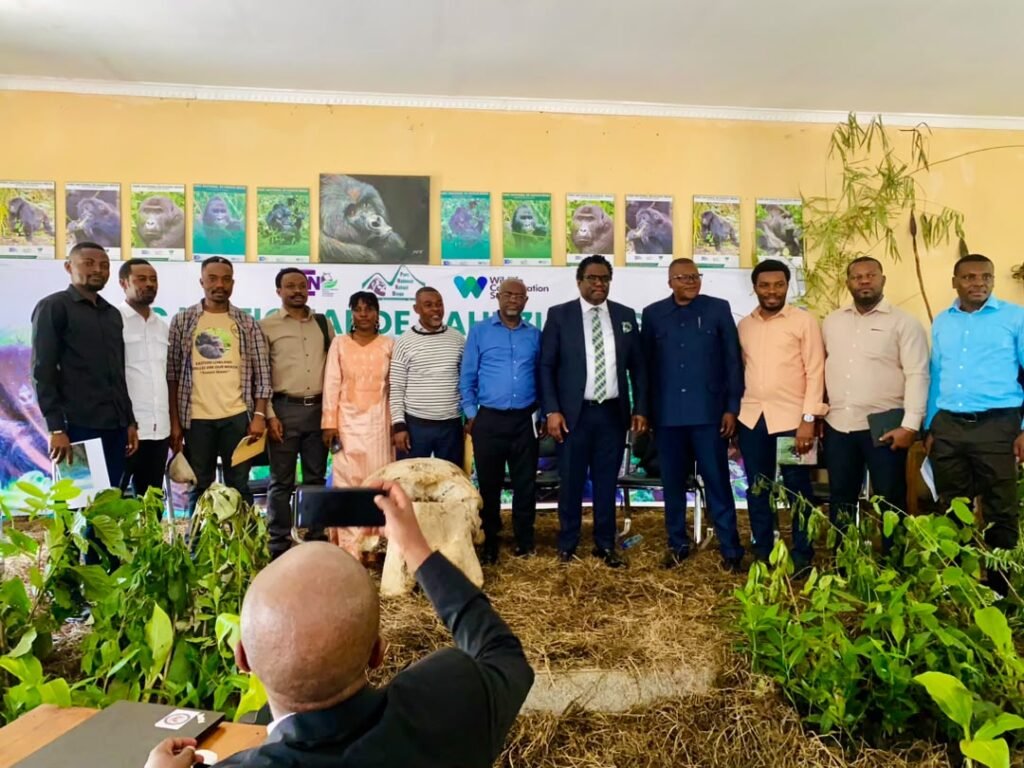
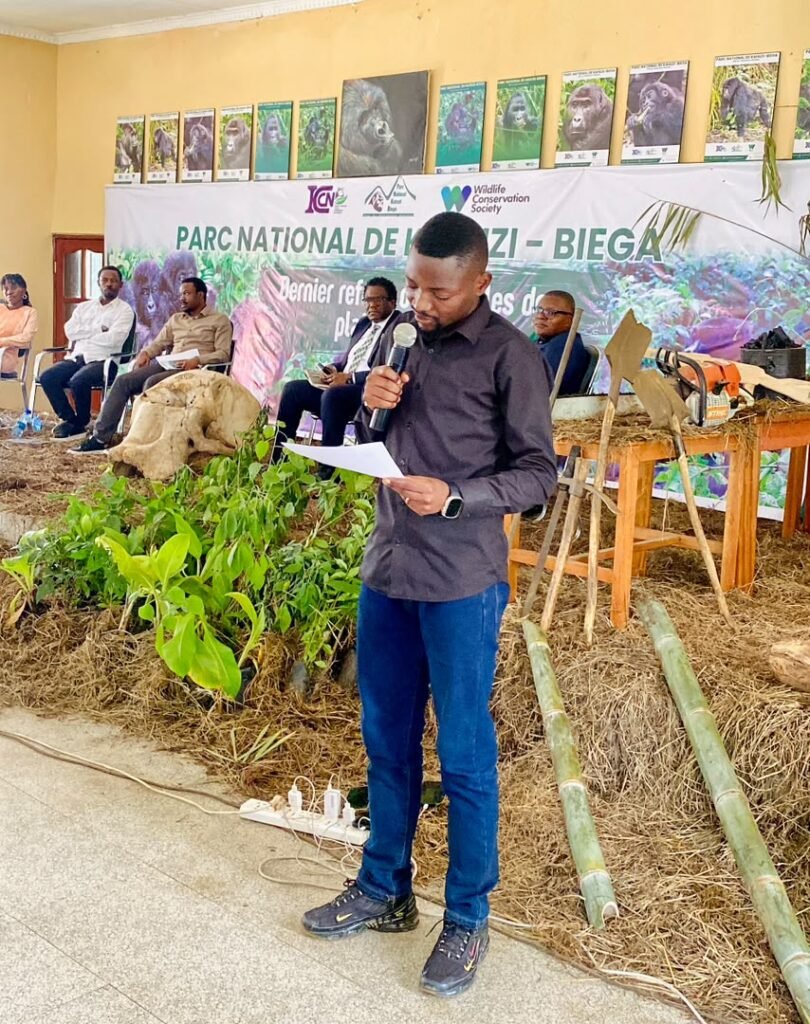
There is hopeful news for gorilla lovers, conservationists and tourism professionals across Africa. Kahuzi-Biega National Park in the Democratic Republic of Congo is preparing to re-open. At this year’s International Gorilla Day, park authorities announced that they will gradually resume activities that had stopped completely when war broke out in eastern Congo. The process will be careful and step by step: park offices will open first, then teams will clear the bush and make sure the forest is safe, and only then will tourism activities be announced.
For the African Tourism Professionals Association (ATPA) and its members, this is an important moment. Kahuzi-Biega is home to the Grauer’s gorilla, also known as the eastern lowland gorilla, the largest gorilla on Earth, and it is one of the most biologically rich forests in Africa. Its gradual return is a signal of resilience for conservation and a reminder of how closely tourism, wildlife and peace are linked in the Great Lakes region.
In this article, we share what was announced, how the phased re-opening is expected to work, and the key conservation themes discussed during the International Gorilla Day conference: the life, habits and characteristics of Grauer’s gorillas; the biodiversity of Kahuzi-Biega; the park’s role in carbon sequestration; and how to promote tourism and conservation in a context of war and insecurity. For more updates like this, follow our travel news and our blog.
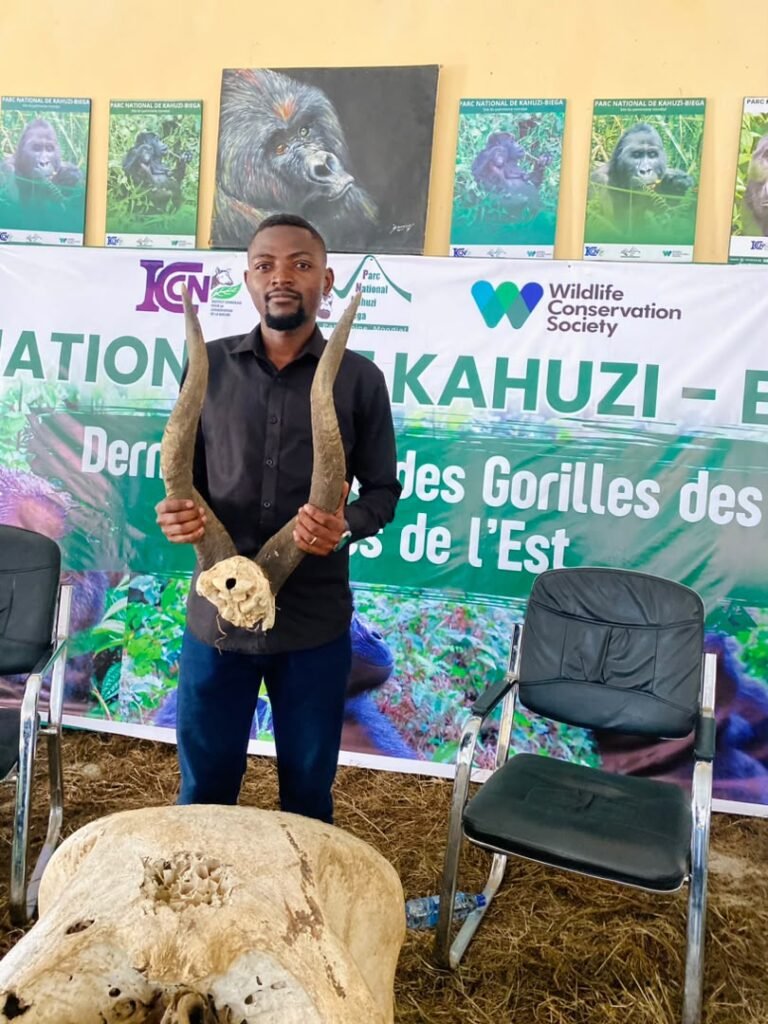

Kahuzi-Biega at a Glance
- Location: South Kivu province, eastern Democratic Republic of Congo, west of Lake Kivu near Bukavu
- Size: roughly 6,000 square kilometres
- Named after: Mount Kahuzi (about 3,300 m) and Mount Biega (about 2,800 m)
- Flagship species: Grauer’s gorilla (eastern lowland gorilla)
- Status: UNESCO World Heritage Site, also on the List of World Heritage in Danger
- Current situation: gradual resumption of activities announced; tourism not yet re-opened
The Announcement at International Gorilla Day
International Gorilla Day, celebrated each year on 24 September, brings together conservationists, park managers, researchers, tourism professionals and communities to celebrate gorillas and to focus attention on the challenges they face. This year, the celebration carried special significance for Kahuzi-Biega National Park.
The date has a special meaning in the history of gorilla conservation. It marks the anniversary of the founding of the Karisoke Research Center by Dian Fossey on 24 September 1967, in what is now Rwanda’s Volcanoes National Park. World Gorilla Day was first celebrated in 2017, on the fiftieth anniversary of Karisoke, and has since grown into a global moment for organisations, parks and communities to highlight gorilla conservation. Holding the Kahuzi-Biega announcement on this day connected the park’s recovery with a long tradition of dedication to gorillas across the Great Lakes region.
During the event, the park’s management announced that Kahuzi-Biega will gradually resume its activities. These activities had stopped completely when the war began in the region, leaving the park without the normal presence of staff, visitors and the steady routine of patrols, monitoring and tourism that protects a great ape habitat.
The message was clear: re-opening will not happen overnight, and safety comes first. Rather than setting an immediate date for tourist visits, park authorities outlined a staged approach designed to rebuild operations, restore the park’s infrastructure and confirm that the forest is secure before any visitors return.
For the tourism industry, the announcement is a hopeful first step rather than an invitation to book. Operators and travellers should follow official updates from the park and the relevant authorities, and plan accordingly. ATPA will continue to share reliable updates through our updates page.
A Phased Re-opening: How the Park Plans to Return
According to the announcement, the re-opening of Kahuzi-Biega will take place in clear stages:
Phase 1: Re-opening the park offices. The first step is for park offices to open again. This allows management, rangers and administrative staff to return to work, coordinate operations, communicate with partners and begin assessing the condition of the park. It also restores an official presence that is essential for protecting the forest and its wildlife.
Phase 2: Clearing the bush and restoring infrastructure. After months without normal maintenance, trails, roads, ranger posts and visitor facilities will need attention. Teams will clear overgrown vegetation, repair access routes and prepare the infrastructure needed for patrols, research and eventually visitors.
Phase 3: Making sure the forest is safe. Before any tourism can resume, the park must be confident that the forest is secure for staff, communities and visitors. This includes security assessments, restored ranger patrols, monitoring of gorilla families and other wildlife, and coordination with the relevant authorities.
Phase 4: Announcing tourism activities. Only once the earlier stages are complete will the park announce the return of tourism activities such as gorilla trekking, hiking and nature walks. No date has yet been set for this final stage.
This cautious, safety-first approach reflects best practice in post-conflict conservation. It protects the gorillas and park staff, and it protects the long-term reputation of the destination, because a premature re-opening followed by a security incident would do far more harm than a patient, well-managed return.
Why Kahuzi-Biega Closed: War and Insecurity in Eastern Congo
Eastern Democratic Republic of Congo has experienced decades of instability, and the provinces of North and South Kivu have been particularly affected. In recent times, renewed fighting spread across the region, including around Bukavu, the South Kivu capital that sits close to Kahuzi-Biega National Park. As the security situation deteriorated, park activities stopped completely.
The impact of such closures goes far beyond tourism. When a park stops operating, rangers may be unable to patrol, gorilla monitoring is interrupted, research is suspended, and communities who depend on park-related jobs and tourism income lose their livelihoods. Illegal activities such as poaching, logging, charcoal production and mining can increase when protection weakens. That is why the return of park offices and staff is such an important first step.
Travellers should be aware that the security situation in eastern Congo remains complex and can change quickly. Many governments continue to advise against travel to parts of North and South Kivu. Anyone considering a future visit should check their government’s latest travel advice and follow official announcements from the park before making plans. Kenlink Tours discusses these issues in its guides on whether Congo is safe for gorilla trekking and Congo safari safety tips.
About Kahuzi-Biega National Park
Kahuzi-Biega National Park lies in South Kivu province in eastern DRC, to the west of Lake Kivu and not far from the city of Bukavu and the border with Rwanda. It is one of Africa’s most important protected areas for great apes and one of the largest remaining blocks of montane and lowland rainforest in the Albertine Rift region.
The park takes its name from two extinct volcanoes within its boundaries: Mount Kahuzi, rising to about 3,300 metres, and Mount Biega, at around 2,800 metres. It covers roughly 6,000 square kilometres, stretching from high-altitude montane forest and bamboo in the east to vast lowland rainforest in the west.
The park is divided into two main sectors:
- The highland sector, close to Bukavu, with montane forest, bamboo, swamps and the peaks of Kahuzi and Biega. This is where gorilla tourism has traditionally taken place.
- The lowland sector, a much larger and more remote area of dense tropical rainforest, rivers and wetlands, connected to the highlands by a forest corridor.
Kahuzi-Biega was inscribed as a UNESCO World Heritage Site in recognition of its outstanding biodiversity and its importance for the eastern lowland gorilla. Because of the threats it faces, including insecurity, poaching and encroachment, it has also been included on the List of World Heritage in Danger.
For more on the park, see Kenlink Tours’ guides to Kahuzi-Biega National Park and Mount Kahuzi, Pick and Transfer Safaris’ Kahuzi-Biega destination guide, and Iconic Africa Safaris’ Kahuzi-Biega National Park page. You can also explore more African destinations on our African destinations page.
Grauer’s Gorillas: The Largest Gorillas on Earth
One of the central themes of the International Gorilla Day conference was the life, habits and characteristics of the Grauer’s gorilla (Gorilla beringei graueri), also known as the eastern lowland gorilla. Kahuzi-Biega is one of the most important strongholds for this remarkable ape.
Grauer’s gorillas are one of two subspecies of eastern gorilla. The other is the mountain gorilla, which lives in the Virunga Massif and Bwindi Impenetrable National Park. Grauer’s gorillas are found only in eastern DRC, making Congo solely responsible for their survival.
The subspecies is named after Rudolf Grauer, an Austrian explorer and zoologist who collected specimens in the region in the early twentieth century. Today, the Grauer’s gorilla is listed as Critically Endangered, reflecting a dramatic decline in its population over recent decades.
Kenlink Tours explains how the different gorilla species and subspecies compare in its guide to the types of gorillas.
Physical Characteristics of Grauer’s Gorillas
Grauer’s gorillas are the largest of all gorillas and the largest living primates. Their key characteristics include:
- Size: adult males, known as silverbacks, can weigh well over 200 kilograms and stand around 1.7 to 1.8 metres tall when upright. Females are considerably smaller.
- Build: a stocky, powerful body with a large head, broad chest and very strong arms.
- Hair: short, jet-black hair, generally shorter than that of mountain gorillas, which have longer, thicker coats for colder climates.
- Silver back: mature males develop a saddle of silver-grey hair across the back, the origin of the term “silverback”.
- Face: a broad face with a prominent brow and large nostrils. Each gorilla’s nose print is unique, and researchers use nose shapes to identify individuals.
- Hands and feet: large hands with opposable thumbs, used for feeding, grooming and knuckle-walking.
Despite their size and strength, Grauer’s gorillas are generally calm and peaceful animals. Aggressive displays, such as chest-beating and charges, are usually a warning rather than an attack.
Habitat and Range
Grauer’s gorillas have the widest altitudinal range of any gorilla, living from lowland rainforest at around 600 metres above sea level up to montane forests above 2,500 metres. In Kahuzi-Biega, they are found in both the highland and lowland sectors.
Their habitats include:
- Montane forest on the slopes of Mount Kahuzi and Mount Biega
- Bamboo forest, which provides important seasonal food
- Lowland tropical rainforest in the western sector
- Swamps and secondary forest at forest edges and in regenerating areas
Outside Kahuzi-Biega, Grauer’s gorillas live in a few other areas of eastern DRC, including Maiko National Park, the Itombwe Massif and several community-managed forests. Their range has shrunk significantly over the past decades because of habitat loss and insecurity.
Diet and Daily Life
Grauer’s gorillas are mainly herbivores. Their diet varies with altitude and season, and includes:
- Leaves, stems and pith of herbaceous plants
- Bamboo shoots, especially in the highland sector during the bamboo season
- Bark and roots
- Fruits, which are more important in the lowland forests
- Occasionally insects such as ants and termites
A typical day begins soon after sunrise, when the group leaves its night nests to feed. Feeding continues through the morning, followed by a midday rest when adults relax, groom and digest, and youngsters play. The group feeds again in the afternoon, gradually moving through the forest, and in the evening each gorilla builds a fresh nest of leaves and branches, either on the ground or in low trees, where it sleeps for the night.
Social Structure and Family Groups
Grauer’s gorillas live in stable family groups, usually led by a single dominant silverback. A typical group includes the silverback, several adult females, and their offspring of various ages. Some groups also include younger males known as blackbacks.
The silverback plays a central role in group life. He decides where the group travels and feeds, mediates conflicts, and protects the group from threats, including rival males. Females often form close bonds with the silverback, and infants and juveniles are frequently seen playing near him.
When young males mature, many leave their birth group and live alone for a time before attracting females and forming their own groups. Young females may also transfer to other groups. This movement of individuals helps maintain genetic diversity across the population.
In Kahuzi-Biega’s highland sector, several gorilla families were habituated to human presence over the years, allowing researchers and visitors to observe them closely. Well-known silverbacks such as Chimanuka became symbols of the park and ambassadors for the species.
Reproduction and Life Cycle
Female Grauer’s gorillas usually give birth to their first infant at around ten years of age. Pregnancy lasts about eight and a half months, and a single infant is born, weighing around two kilograms. Twins are rare.
Infants cling to their mothers’ chests for the first months and later ride on their backs. They are nursed for several years and remain close to their mothers until they are older. Because females typically give birth only once every four years or so, and infant mortality can be high, gorilla populations grow very slowly. This slow reproduction makes them particularly vulnerable: when adults are lost to poaching or conflict, it can take many years for a population to recover.
In the wild, gorillas can live for several decades, with some individuals reaching around 35 to 40 years of age.
Conservation Status and Threats
Grauer’s gorillas are classified as Critically Endangered. Surveys have shown a steep decline in their numbers since the 1990s, with the population estimated at only a few thousand individuals. The main threats discussed during the conference include:
- Armed conflict and insecurity, which disrupt conservation work and allow illegal activities to spread.
- Poaching and bushmeat hunting, including the use of snares that can injure or kill gorillas.
- Artisanal mining, including for minerals such as coltan and gold, which brings people and pressures deep into the forest.
- Habitat loss from agriculture, logging and charcoal production.
- Disease, including respiratory infections that can pass from humans to gorillas.
The survival of Grauer’s gorillas depends on effective protection of places like Kahuzi-Biega, the return of rangers and researchers, and the support of local communities. This is why the re-opening of park offices is such an important milestone. ATPA supports conservation-focused tourism through its environment protection programmes.
The History of Gorilla Tourism in Kahuzi-Biega
Kahuzi-Biega has a long history of gorilla conservation and tourism. In the 1970s, pioneering conservationists began habituating gorilla families in the highland sector, making it one of the first places in Africa where visitors could observe wild gorillas. Over the decades, gorilla trekking in Kahuzi-Biega became a unique experience, offering the chance to see the world’s largest gorillas in their natural habitat.
Before the recent closure, visitors typically trekked in the highland sector, close to Bukavu, following rangers and trackers through montane forest and bamboo to reach a habituated family. The encounter, like mountain gorilla treks elsewhere, allowed a limited time with the gorillas under strict rules to protect their health and wellbeing. Many visitors also combined gorilla trekking with hikes to the summits of Mount Kahuzi or Mount Biega.
Kenlink Tours describes the experience in its guides to gorilla trekking in Kahuzi-Biega and comparing Kahuzi-Biega and Virunga for gorilla trekking. Iconic Africa Safaris also features Congo gorilla safaris for when conditions allow. When the park does re-open to tourism, this experience is likely to be one of the most sought-after primate encounters in Africa.
The Biodiversity of Kahuzi-Biega
The second major theme of the conference was the extraordinary biodiversity of Kahuzi-Biega. The park lies within the Albertine Rift, one of the most species-rich regions in Africa, and its range of altitudes, from lowland rainforest to montane forest and bamboo, supports a remarkable variety of life.
Mammals. Besides Grauer’s gorillas, the park is home to eastern chimpanzees and a wide range of other primates, including several species of monkeys. Forest elephants, forest buffaloes, giant forest hogs, bushbucks and various duikers have also been recorded, along with smaller mammals such as squirrels, bats and shrews, some of which are found nowhere else.
Birds. Kahuzi-Biega is an important bird area, with hundreds of species recorded, including many Albertine Rift endemics. Birdwatchers have long been drawn to the park’s montane forests, bamboo zones and swamps in search of rare and range-restricted species.
Plants. The park protects a rich diversity of plant life, from giant forest trees and tree ferns to bamboo, orchids and medicinal plants used by local communities. Its montane swamps and bogs support specialised vegetation found only at high altitudes.
Amphibians, reptiles and insects. The park’s forests and wetlands are also home to many frogs, chameleons, butterflies and other invertebrates, several of them endemic to the Albertine Rift.
This biodiversity is a natural treasure not only for Congo but for the world. Protecting it requires long-term commitment, especially in a context of insecurity.
Why the Albertine Rift Matters
The Albertine Rift, the western branch of the Great Rift Valley, stretches from Lake Albert in the north to Lake Tanganyika in the south, and includes parts of the DRC, Uganda, Rwanda, Burundi and Tanzania. It contains more endemic vertebrate species than any other region in continental Africa. Protected areas such as Kahuzi-Biega, Virunga, Bwindi, Volcanoes and Nyungwe together form a network that safeguards much of this unique biodiversity.
For travellers, this network offers some of the finest wildlife experiences in Africa: mountain gorillas in Uganda and Rwanda, chimpanzees in Nyungwe and Kibale, and one day, once again, Grauer’s gorillas in Kahuzi-Biega. Explore these destinations through our guides to Uganda, Rwanda and Volcanoes National Park.
Carbon Sequestration: Kahuzi-Biega’s Role in Fighting Climate Change
A third key theme of the International Gorilla Day conference was carbon sequestration, the process by which forests absorb carbon dioxide from the atmosphere and store it in trees, plants and soils. Healthy tropical forests are among the most effective natural carbon stores on the planet, and Kahuzi-Biega’s vast forests play an important role.
Kahuzi-Biega is part of the wider Congo Basin, which contains the second-largest tropical rainforest in the world. The Congo Basin forests absorb and store enormous amounts of carbon, helping to regulate the global climate. When these forests are cut down or degraded, much of that stored carbon is released back into the atmosphere, contributing to climate change.
Kahuzi-Biega contributes to carbon sequestration in several ways:
- Standing forests: its lowland and montane forests store carbon in large trees and dense vegetation.
- Bamboo: fast-growing bamboo in the highland sector captures carbon rapidly.
- Swamps and wetlands: waterlogged soils can store significant amounts of carbon over long periods.
- Soils: forest soils hold carbon built up over centuries.
Gorillas as Gardeners of the Forest
Gorillas themselves help keep the forest healthy. As they move and feed, they disperse seeds through their droppings, helping plants and trees to regenerate. Their feeding also opens up small gaps in the vegetation, allowing light to reach the forest floor and encouraging new growth. In this way, protecting gorillas also helps protect the forest’s ability to store carbon.
Participants at the conference highlighted the potential for carbon-related financing and climate initiatives to support conservation in the park. When managed transparently and fairly, such initiatives can provide funding for rangers, community development and forest protection, rewarding the role that places like Kahuzi-Biega play in keeping the planet’s climate stable.
Promoting Tourism and Conservation During War and Insecurity
The final major theme of the conference was one of the most difficult: how to promote tourism and conservation in a context of war and insecurity. Kahuzi-Biega’s experience offers important lessons for protected areas across the region.
Protecting staff and rangers. The safety of park staff is the first priority. Rangers often work in extremely dangerous conditions, and their dedication is the backbone of conservation in eastern Congo. Re-opening must be planned so that staff can work safely and with adequate support.
Maintaining monitoring where possible. Even when tourism stops, maintaining some level of monitoring of gorilla families helps track their health, identify threats and prepare for the eventual return of visitors.
Working with communities. Local communities are essential partners. When tourism stops, community members lose income from jobs as guides, porters, cooks and craftspeople. Supporting livelihoods through alternative income, education and community projects helps build support for conservation and reduces pressure on the forest.
Honest communication with the tourism industry. Clear, accurate and regular updates allow tour operators and travellers to make responsible decisions. Over-promising or reopening too early can damage trust; a patient, transparent approach builds confidence.
Regional cooperation. Gorilla conservation in the Great Lakes region benefits from cooperation between countries, parks and organisations. Sharing experience, training and resources strengthens conservation across borders.
Keeping the world’s attention. Events such as International Gorilla Day help keep Kahuzi-Biega and its gorillas in the public eye, encouraging continued support from donors, partners and future visitors.
The Heroes of Kahuzi-Biega: Rangers and Trackers
Behind every successful conservation story are the rangers, trackers and park staff who protect wildlife on the ground. In Kahuzi-Biega, these men and women have faced enormous challenges, including insecurity, difficult terrain and limited resources, in order to protect the gorillas and the forest.
Their work includes patrolling to remove snares and deter poachers, monitoring gorilla families, supporting research, working with communities and, when tourism is running, guiding visitors safely through the forest. As the park gradually resumes activities, the return of these teams to their posts is one of the most important signs of recovery.
Communities and Conservation Around the Park
Kahuzi-Biega is surrounded by communities whose lives are closely linked to the forest, including Indigenous Batwa communities who historically lived in and relied on the forest before the park was created. Relations between conservation and some communities have at times been difficult, and resolving these issues fairly is an important part of the park’s long-term future.
Successful conservation depends on communities seeing real benefits from protecting the forest. These can include employment, revenue sharing from tourism, support for schools and health centres, sustainable agriculture projects and respect for cultural heritage. When tourism returns, community-based experiences, such as cultural visits, local crafts and homestays, can help ensure that visitors’ spending supports the people who live alongside the gorillas.
What the Re-opening Means for Tourism in the Great Lakes Region
The gradual re-opening of Kahuzi-Biega is significant for tourism across the Great Lakes region. When conditions allow, the park will once again offer something unique: the chance to see the world’s largest gorillas in the wild, in a landscape quite different from the mountain gorilla parks of Uganda and Rwanda.
For tour operators, it could eventually mean new itineraries combining Kahuzi-Biega with Nyungwe Forest National Park in Rwanda, Volcanoes National Park, and Uganda’s Bwindi and Mgahinga. Kahuzi-Biega’s proximity to the Rwandan border has traditionally made it accessible from Rwanda, and Kenlink Tours covers routes in its guides on how far Kahuzi-Biega is from Kigali and crossing into Congo through the Ruzizi border. Such multi-country trips are already popular, as explained on our combining tours page.
However, it is essential to stress that tourism activities have not yet been announced. Operators should not sell Kahuzi-Biega trips until the park officially confirms the return of tourism and the security situation allows safe travel.
Why Patience Protects the Park’s Future
It is natural for gorilla lovers and tour operators to want Kahuzi-Biega to re-open to visitors as quickly as possible. But experience from protected areas around the world shows that patience pays off. A rushed return that exposes visitors or staff to risk could set the park back for years, damage confidence in the destination and threaten the gorillas themselves.
A carefully managed return, by contrast, allows the park to rebuild its teams, restore monitoring of gorilla families, repair infrastructure and strengthen relationships with communities. When tourism does return, visitors will find a park that is better prepared to welcome them safely and to deliver a high-quality experience. For the tourism industry, supporting this patient approach, through honest communication and by promoting safe alternatives in the meantime, is the most responsible way to help Kahuzi-Biega recover.
What Travellers Should Know Right Now
- Tourism has not yet resumed. The park has announced a gradual re-opening, starting with its offices. No date has been given for visitor activities.
- Safety comes first. Check your government’s latest travel advice for the DRC, which may advise against travel to parts of South Kivu.
- Follow official updates. Rely on announcements from the park and reputable tour operators rather than rumours or unofficial offers.
- Do not book unofficial trips. Be cautious of anyone offering visits before the park officially re-opens to tourism.
- Consider alternatives in the meantime. You can still see gorillas safely in Uganda and Rwanda.
Where to See Gorillas While Kahuzi-Biega Prepares to Re-open
While Kahuzi-Biega works towards welcoming visitors again, travellers can enjoy unforgettable gorilla experiences in neighbouring countries:
- Bwindi Impenetrable National Park, Uganda: home to roughly half of the world’s mountain gorillas, with four trekking sectors. See Kenlink Tours’ guide to Bwindi Impenetrable Forest.
- Mgahinga Gorilla National Park, Uganda: mountain gorillas and golden monkeys on the slopes of the Virunga volcanoes.
- Volcanoes National Park, Rwanda: mountain gorillas, golden monkeys and Dian Fossey’s legacy, just a short drive from Kigali.
- Nyungwe Forest National Park, Rwanda: chimpanzees and a famous canopy walkway. See Kenlink Tours’ guide to chimpanzee trekking in Nyungwe.
Trekking in Uganda can also be more affordable, with Uganda gorilla permits cheaper than Rwanda’s. Kenlink Tours explains how to save on gorilla permits by trekking in Uganda from Kigali. For more ideas, see our guides to the best country to visit in East Africa and the top things to do in Rwanda.
Trusted ATPA Members for Gorilla Safaris
ATPA members offer professional, responsible gorilla safaris across the region. When Kahuzi-Biega officially re-opens to tourism, they will be well placed to help travellers plan safe and well-organised visits. In the meantime, they can arrange mountain gorilla and chimpanzee experiences in Uganda and Rwanda. Member companies include:
- Kenlink Tours
- Pick and Transfer Safaris
- Iconic Africa Safaris
- Pembury Tours
- Camptrek Safaris
- Afrigaze Uganda Safaris
- Golden Rwanda
See the full list of ATPA tour companies, our members and our guide to recommended tour companies in Africa.
How Tour Operators Can Prepare for Kahuzi-Biega’s Return
For tourism businesses, the re-opening process is a chance to prepare responsibly:
- Stay informed through official park announcements and reliable industry sources.
- Update product information to clearly state that tourism has not yet resumed.
- Build partnerships with local guides, transport providers and accommodation in the Bukavu area, ready for when tourism is announced.
- Plan safety procedures, including emergency plans, insurance and communication protocols.
- Train staff on Grauer’s gorilla ecology, conservation messaging and responsible tourism.
- Promote alternatives in Uganda and Rwanda in the meantime.
ATPA supports professional development through our member trainings.
The Role of ATPA in Supporting Conservation Tourism
The African Tourism Professionals Association brings together tour operators, lodges, hotels, airlines, training institutions and other tourism businesses committed to professional, responsible tourism across Africa. We believe that well-managed tourism is one of the most powerful tools for conservation, creating jobs, funding protected areas and giving communities a stake in protecting wildlife.
The gradual re-opening of Kahuzi-Biega is exactly the kind of development our members care about. By sharing accurate information, promoting safe alternatives while the park prepares, and supporting responsible tourism when it returns, ATPA members can help ensure that tourism contributes to the recovery of Kahuzi-Biega and the survival of Grauer’s gorillas. Learn more about ATPA and why African tourism businesses should join.
How You Can Support Kahuzi-Biega and Grauer’s Gorillas
- Stay informed and share accurate news about the park and its gorillas.
- Support reputable conservation organisations working in and around Kahuzi-Biega.
- Travel responsibly in the region, choosing operators and lodges that support conservation and communities.
- Visit gorilla parks in Uganda and Rwanda, whose permit fees support gorilla conservation in the region.
- Recycle old mobile phones and electronics responsibly, helping reduce demand for newly mined minerals such as coltan.
- Plan a future visit to Kahuzi-Biega once the park officially announces the return of tourism and it is safe to travel.
Frequently Asked Questions
Is Kahuzi-Biega National Park open to tourists now?
Not yet. The park has announced a gradual re-opening, starting with its offices and followed by bush clearing and security measures. Tourism activities will only be announced once the forest is confirmed to be safe.
When will gorilla trekking resume in Kahuzi-Biega?
No date has been announced. Follow official park updates and check your government’s travel advice before making any plans.
What gorillas live in Kahuzi-Biega?
Grauer’s gorillas, also called eastern lowland gorillas, the largest gorillas in the world.
Where is Kahuzi-Biega National Park?
In South Kivu province in eastern DRC, west of Lake Kivu and near the city of Bukavu and the Rwandan border.
Why is Kahuzi-Biega important for the climate?
Its large forests, bamboo zones and wetlands store significant amounts of carbon, helping to regulate the global climate as part of the Congo Basin forests.
Where can I see gorillas while Kahuzi-Biega is closed to tourism?
In Bwindi and Mgahinga in Uganda, and Volcanoes National Park in Rwanda, where mountain gorilla trekking is available.
A Hopeful Step for Gorillas and Tourism
The announcement at International Gorilla Day that Kahuzi-Biega National Park will gradually resume its activities is a hopeful step for one of Africa’s most important wildlife refuges. By re-opening its offices first, clearing the bush and ensuring the forest is safe before announcing tourism, the park is taking a careful and responsible path towards recovery.
The conference reminded us why this matters: Grauer’s gorillas are the largest and among the most threatened gorillas on Earth; Kahuzi-Biega’s biodiversity is irreplaceable; its forests help store carbon for the whole planet; and tourism and conservation, even in difficult times, can work together to protect them. ATPA will continue to follow the park’s progress and share updates with our members and readers.
Stay connected. Follow our updates for the latest news on Kahuzi-Biega’s re-opening, and contact us if you are a tourism professional interested in joining ATPA. You can apply for membership today.