- DIRECT CONTACTS:
- info@atpa.africa

Top things to do in Rwanda
Top things to do in Rwanda. Rwanda is small, green and full of surprises. Known as the land of a thousand hills, this compact country in the heart of Africa packs mountain gorillas, ancient rainforest, savannah safaris, a shimmering rift-valley lake, a creative capital city and a deeply moving history into a space you can cross in a day. Roads are good, distances are short and the welcome is warm, which is why Rwanda has become one of the most rewarding destinations on the continent for first-time and returning visitors alike.
This guide brings together the top things to do in Rwanda, with practical detail on how each experience works, when to go and how to fit it into a real itinerary. It draws on official information from the Rwanda Development Board and Visit Rwanda, and it is written by the African Tourism Professionals Association (ATPA), the continental body that connects verified tour companies, hotels and lodges across Africa. You will find ideas for wildlife lovers, hikers, culture seekers and families, along with tips on choosing a trusted operator.
Whether you have three days or three weeks, use this article as your roadmap. You can also explore our Rwanda destination page for an overview of the country’s national parks, or browse our African destinations guide to see how Rwanda fits into a wider East African journey.
Why Rwanda Belongs on Your Travel List
Few countries offer so much variety in such a small area. In a single week you can trek mountain gorillas in the Virunga volcanoes, track chimpanzees in one of Africa’s oldest rainforests, watch lions and rhinos on the savannah of Akagera and finish with a sunset over Lake Kivu. Between the wildlife, there is a capital city with a thriving arts scene, a landscape of terraced hills and tea plantations, and cultural traditions that are proudly kept alive through dance, music and craft.
Rwanda is also easy to travel. Visit Rwanda describes an excellent road network linking its towns, and the capital, Kigali, is widely described as clean, green and safe to explore. The tourism authority notes that ten percent of tourism permit income supports local communities, which means your visit helps the people who live beside the parks. For travellers who want big experiences without long, exhausting journeys, Rwanda is hard to beat.
How We Chose the Top Things to Do in Rwanda
To build this list, we looked at four things: how special and distinctive the experience is, how well it suits different kinds of traveller, how easy it is to organise and how well it supports conservation and local communities. We also considered how each activity fits with others, so that you can combine them into a logical route. Rankings are always partly subjective, so treat the order below as a well-informed starting point and adjust it to your own interests, time and budget.
1. Track Mountain Gorillas in Volcanoes National Park
Coming face to face with a wild mountain gorilla is the experience that puts Rwanda on the world map, and it belongs at the top of any list. Gorilla tracking takes place in Volcanoes National Park, part of the Virunga range that Rwanda shares with Uganda and the Democratic Republic of the Congo. According to Visit Rwanda, the park has twelve habituated gorilla families, and eight permits are issued per family per day, so groups are small and the experience is intimate.
After a briefing at park headquarters in Kinigi in the early morning, you are assigned to a family and set out with a guide and trackers. The hike can last from about thirty minutes to more than four hours depending on where the gorillas spent the night, and once you find them you may stay for a strict maximum of one hour. Watching a silverback rest among his family, juveniles tumbling in the undergrowth and mothers cradling babies is a moment most visitors describe as life-changing.
Gorilla Permits, Prices and How to Book
Permits are the key to gorilla tracking, and they must be reserved in advance. Visit Rwanda lists the permit price at US$1,500 per person per day, and the minimum age is fifteen. Permits can be booked through the government’s online platform or through licensed tour operators, who often bundle the permit with transport, meals and lodging. The Rwanda Development Board has explained that permit revenue supports conservation and that a ten percent share goes to communities around the park, funding projects such as schools, health facilities and water systems, and you can read the announcement on the Rwanda Development Board website.
Because there are only around ninety-six permits available each day across the country, popular dates sell out, especially in the dry seasons. Book several months ahead if you can, and confirm the current price and rules with the authorities before you pay. Our guides to Volcanoes National Park and our primate safari experiences explain how gorilla trekking fits into a wider itinerary.
2. Meet the Golden Monkeys of the Virungas
If a gorilla trek is the headline, golden monkey tracking is the perfect supporting act. These lively, golden-orange primates live in the bamboo forests on the slopes of the volcanoes, and Visit Rwanda notes that two groups can be tracked in Volcanoes National Park, one on Mount Karisimbi and one on Mount Sabyinyo. Excursions leave from Kinigi headquarters as separate daily activities, so you can add one before or after your gorilla day.
Golden monkeys move constantly, leaping between bamboo stems, feeding and playing in large troops, and the walk to reach them is generally gentler than a gorilla trek. Photographers love the encounter because the animals are bright, active and often close. It is also a good option for travellers who cannot secure a gorilla permit, or who want an extra primate experience on a tight budget. Details are on the Visit Rwanda primate tracking page.
3. Hike Mount Bisoke, Karisimbi and the Virunga Volcanoes
The volcanoes themselves are a highlight for anyone who loves to walk. Visit Rwanda describes the climb of Mount Bisoke, at around 3,700 metres, as a five-hour to full-day hike that ends at a beautiful crater lake. Mount Karisimbi, at 4,507 metres, is the highest peak in Rwanda and is usually done as a two-day trek with camping, while Mount Muhabura, at 4,127 metres, is a demanding full-day climb. All hikes in Volcanoes National Park require a permit and a guide.
The slopes between Karisimbi and Bisoke also hold the Karisoke Research Centre, founded by Dian Fossey in 1967, which gives these hikes a special place in the story of gorilla conservation. Views across the volcanic chain, misty bamboo forest and high-altitude vegetation make this one of the most scenic walking experiences in Africa. Pack warm layers, waterproofs and good boots, and go with a guide who can advise on the weather. See the full list of trails on the Visit Rwanda hiking page.
4. Track Chimpanzees in Nyungwe Forest National Park
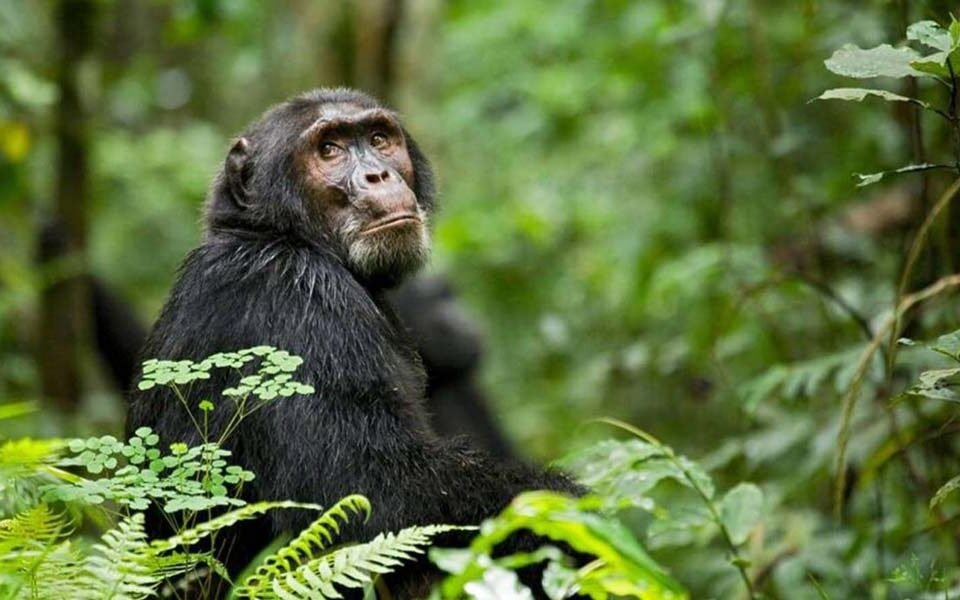
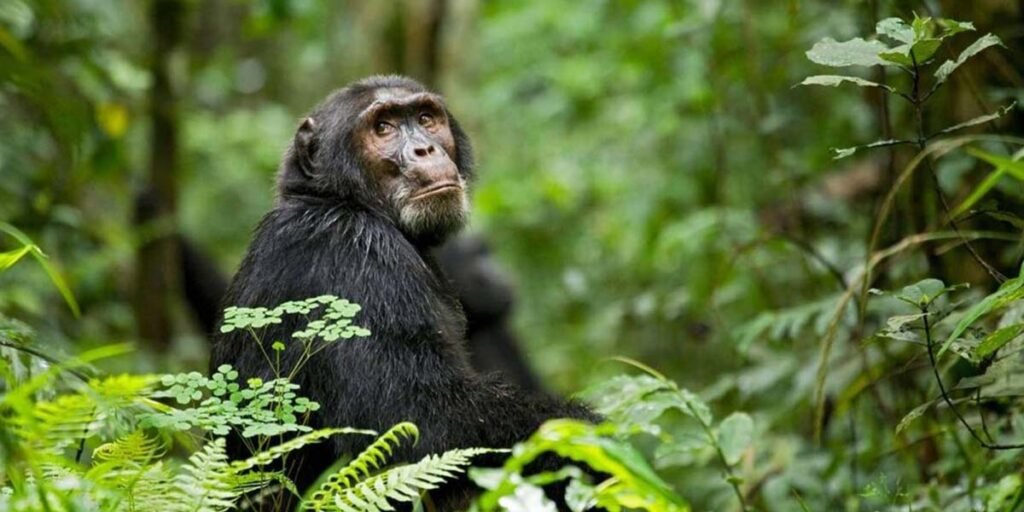
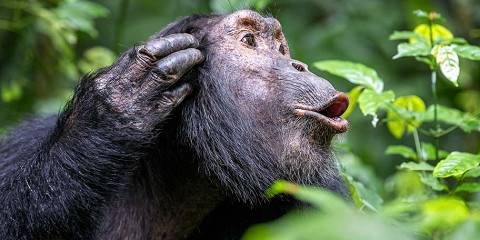
Nyungwe is one of Africa’s oldest rainforests, a mountainous and extraordinarily biodiverse park in the south-west of Rwanda. Visit Rwanda notes that it shelters chimpanzees and a dozen other primate species, along with abundant birdlife. Chimpanzee tracking usually starts very early, at around half past five in the morning, and can last from one hour to several hours, with a maximum of one hour spent with the animals once they are found.
The terrain is steep and often muddy, so good footwear and reasonable fitness matter, but the reward is watching a chimpanzee community feed, groom and call through the canopy. Nyungwe is also home to colobus monkeys, blue monkeys, L’Hoest’s monkeys and other primates that are easy to spot on forest walks. Travellers who like to combine apes on one trip often pair Nyungwe with a gorilla trek, and you can read about this style of journey on our primate safari page.
5. Walk the Nyungwe Canopy Walkway
For a thrill that suits almost everyone, walk the canopy walkway. Visit Rwanda describes the suspended bridge as 160 metres long and 70 metres high, stretching across a ravine in the montane rainforest. Reaching it requires roughly an hour’s walk from the Uwinka Reception Centre along the Igishigishigi trail, and along the way you may see butterflies, orchids and colourful birds, many of them endemic to the region.
The walkway is open year-round, although afternoon rain is more common, so morning visits are often best. Guided fees are published by the park and differ for citizens and international visitors, so check the current rate before you go. Wear sturdy shoes, bring a light raincoat and take your time, because stopping in the middle of the bridge to look down over a sea of treetops is half the fun. More details are on the Visit Rwanda canopy walkway page.
6. Explore Nyungwe’s Trails, Waterfalls and Birdlife
Beyond chimpanzees and the canopy bridge, Nyungwe rewards anyone who enjoys a good walk. According to Visit Rwanda, the park has more than ten named trails, from gentle routes such as Igishigishigi, Karamba and Muzimu to more demanding ones such as Uwinka, Imbaraga and Bigugu, which climbs to the park’s highest peak. Trails pass waterfalls, tea fields and forest viewpoints, and each offers a different mix of scenery and wildlife.
Birdwatchers will be in their element. The forest holds hundreds of species, including many that are found only in the Albertine Rift, and early-morning walks with a knowledgeable guide can produce sightings that keen birders travel a long way to see. Spending at least two nights in the area gives you time for a chimpanzee trek, a canopy walk and a forest hike without rushing any of them.
7. Go on a Big Five Game Drive in Akagera National Park
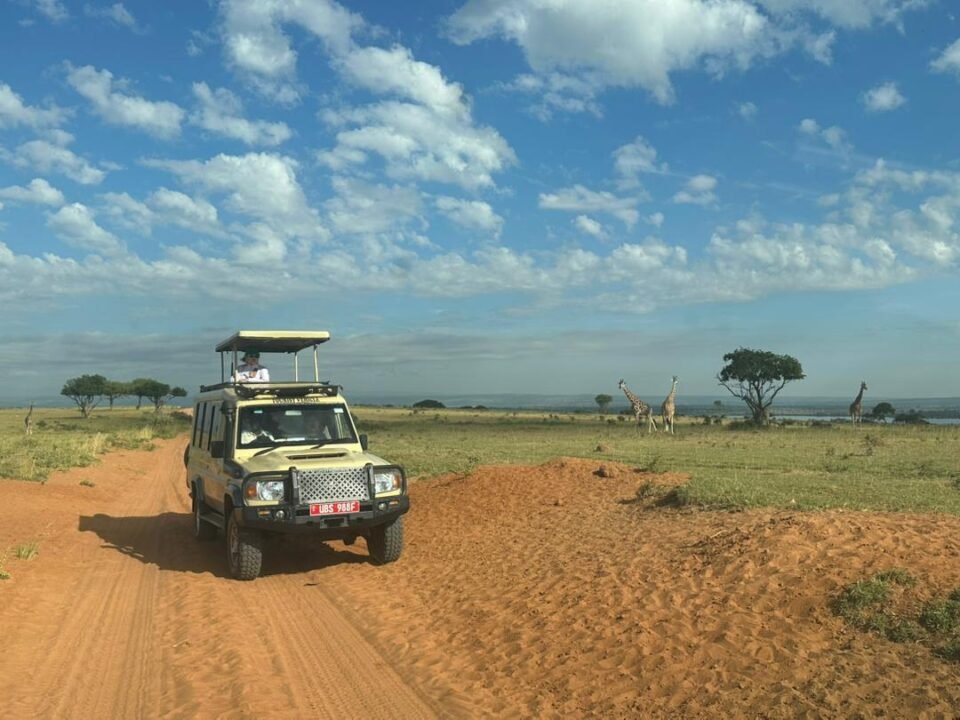
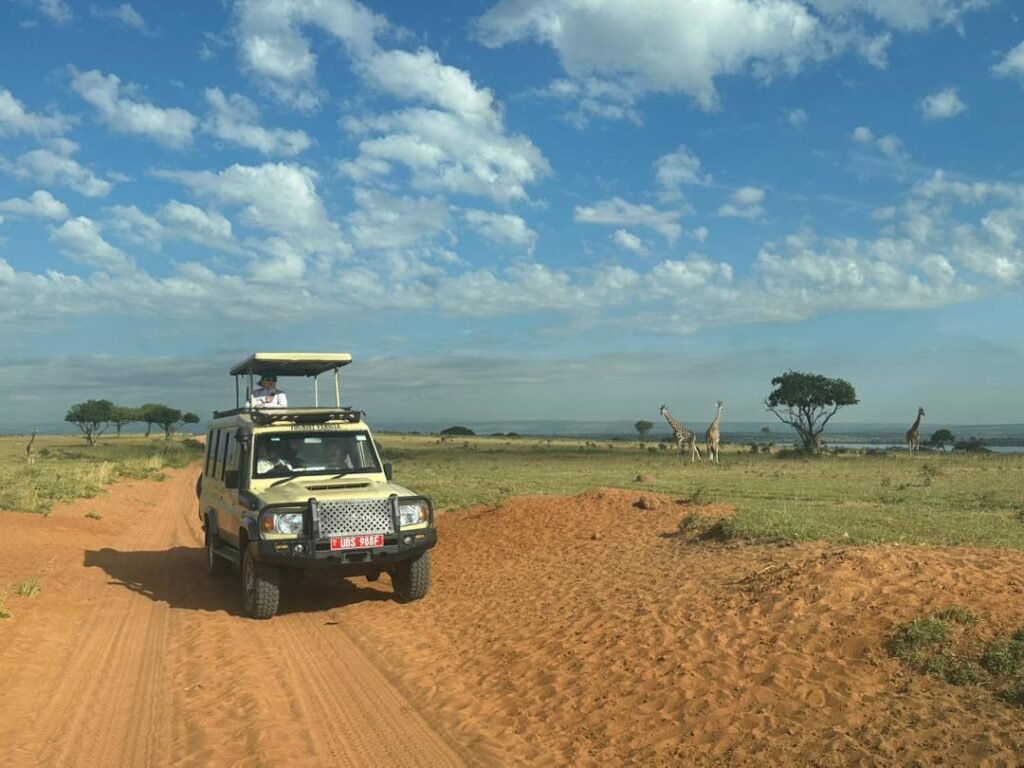
Rwanda is not only about primates. Akagera National Park, on the country’s eastern border with Tanzania, covers just over a thousand square kilometres of savannah, woodland, wetland and a dozen lakes, and it has been restored into one of the region’s great conservation success stories. Visit Rwanda notes that lions were reintroduced in 2015 and eastern black rhinos in 2017, and the park now offers Big Five safaris alongside elephants, buffalo, giraffes, zebras, hippos and many antelope species.
The park has been managed in partnership with African Parks since 2010, with anti-poaching measures such as helicopter patrols, canine units and rhino trackers helping wildlife recover. Game drives are the heart of the experience, and visitors often enjoy long stretches without meeting another vehicle, which gives the park a wonderfully wild feel. Akagera is easy to add to a gorilla trip, and it can be reached from Kigali in roughly two to three hours by road, so even a short itinerary can include a safari day. Learn more about the park on the Visit Rwanda Akagera page and the African Parks Akagera page.
8. Take a Boat Trip and Night Drive in Akagera
Akagera’s lakes add another dimension. A boat trip on Lake Ihema takes you close to hippos, Nile crocodiles and a rich variety of waterbirds, and the calm water and papyrus-fringed shores make it a peaceful contrast to a game drive. Bird lovers will find a checklist of roughly five hundred species, including specialities such as the shoebill and the papyrus gonolek, which draw enthusiasts from around the world.
After dark, night drives reveal a different cast of animals, including bushbabies, genets and other nocturnal creatures that are rarely seen by day. Together with a dawn game drive and an afternoon boat trip, this makes a full and varied stay. Two nights is the recommended minimum, and a third night gives you more chances to see the big cats. Lodges, a seasonal bush camp in the north and camping sites offer a range of places to sleep, from simple to comfortable.
9. Visit the Kigali Genocide Memorial
No visit to Rwanda is complete without understanding the country’s recent history, and the Kigali Genocide Memorial is the place to begin. Inaugurated in 2004 and located at Gisozi, it is the final resting place for more than 250,000 victims of the genocide against the Tutsi, and it serves as both a memorial and an educational centre. Visit Rwanda describes a wall of names, quiet gardens for reflection and exhibits that explain how the genocide developed, along with support services for survivors.
The visit is sombre and deeply moving, and most travellers describe it as an essential part of their trip. Allow at least two hours, dress respectfully, keep voices low and follow the rules about photography inside the exhibitions. Many visitors also see other memorial sites around the country, and you can find general information on the Visit Rwanda memorial page. Check opening hours and any fees on the memorial’s official channels before you go.
10. Explore Kigali: Art, Food, Markets and Viewpoints
Kigali is one of Africa’s most pleasant capitals. Visit Rwanda describes it as low-key yet dynamic and progressive, with just over a million inhabitants, wide tree-lined boulevards and streets that are safe to stroll. The city is built across several hills and valleys, which means that many cafés and restaurants have panoramic views, and a growing dining scene offers everything from Rwandan classics to international cuisine.
Culture is a major draw. The Kigali Cultural Village offers space for local artisans and food vendors, the Rwanda Art Museum and a number of galleries, including Inema Arts Center, showcase the country’s burgeoning art scene, and markets are perfect for baskets, paintings and other crafts. For fresh air, Nyarutarama Lake has walking trails and birdwatching, and the Kigali Convention Centre is a striking landmark. Read more on the Visit Rwanda Kigali page, and see how the capital fits into a wider trip in our Rwanda destination guide.
11. Relax on the Shores of Lake Kivu
After days of trekking, nothing beats Lake Kivu. This Great Rift Valley lake stretches along Rwanda’s western border, and its lakeside towns are a favourite place to unwind. Visit Rwanda describes Rubavu as a waterfront town with red sandy beaches and a tropical character, while Karongi is a popular beach retreat with majestic views and a tranquil atmosphere. Boat trips to islands, kayaking, cycling and swimming in the calm water are all popular.
Lake Kivu is also a natural place to end a Rwanda itinerary, because it offers comfortable lodges and easy road access from Volcanoes National Park and Nyungwe. ATPA lists properties in the area, such as Lake Kivu Serena Hotel, in our accommodation directory. Confirm rates, availability and swimming safety with your hotel, and enjoy a sunset on the water with a cold drink in hand.
12. Hike or Cycle the Congo Nile Trail
For travellers who love slow, immersive travel, the Congo Nile Trail is one of Rwanda’s great adventures. According to Visit Rwanda, the route runs for 227 kilometres, takes about ten days to walk in full and reaches a peak elevation of 2,630 metres, passing through rainforest, bracken fields and bamboo forest, past coffee stations, tea plantations and small villages along the lake. It can be done in sections, on foot or by bicycle, so you can choose a day trip or a multi-day journey.
The trail is a wonderful way to meet everyday Rwanda. You will pass farms, markets and schools, stop at lakeside villages and enjoy views of Lake Kivu framed by terraced hills. Go with a local guide or a specialist operator who can arrange luggage transfers and accommodation, carry plenty of water and start early to avoid the midday heat.
13. Discover Nyanza’s Royal Palace and the Ethnographic Museum in Huye
Rwanda’s cultural heritage is best explored in the south. In Nyanza, Visit Rwanda describes a reconstructed traditional royal residence built in the distinctive beehive shape, where you can learn about the kingdom’s history. Visitors often also meet the long-horned Inyambo cattle traditionally associated with the royal court, so ask your guide what is on offer. The palace offers a rare picture of how Rwandans lived before colonial rule.
Nearby Huye, an academic centre, is home to the Ethnographic Museum, which is often described as one of the best museums in the region. Its collections explain everyday life, farming, craft and ceremony in Rwanda through the centuries. Both sites sit conveniently on the road between Kigali and Nyungwe, so they are easy to include as a stop on the way to the chimpanzees. See the Visit Rwanda destinations page for more towns to explore.
14. Experience Rwandan Culture, Dance and Festivals
Rwanda’s culture is one of its greatest treasures. Traditional dance and drumming, weaving, pottery and storytelling are all part of daily life, and many communities near the parks welcome visitors for cultural visits that support local livelihoods. A cultural experience is a lovely way to balance a trek-heavy trip and to meet the people who live beside the parks you visit.
Festivals add colour throughout the year. Visit Rwanda highlights Kwita Izina, the annual gorilla naming ceremony at Kinigi, which celebrates conservation with music, dancing and community events. It also lists the KigaliUP music festival, launched in 2011, the Hillywood film festival held in Kigali each July, and the Hobe Rwanda festival, usually held in September. Dates change, so check the Visit Rwanda festivals page before you plan a trip around an event.
15. Visit Musanze, the Twin Lakes and the Volcano Foothills
Musanze is the gateway town to Volcanoes National Park, and it is a lively place in its own right. Visit Rwanda describes a vibrant city with dining, nightlife and markets, and it makes an excellent base before and after a gorilla trek. Around Musanze, the landscape is a patchwork of volcano-backed farmland, and there is much to explore beyond the park.
The twin lakes of Burera and Ruhondo, set among steep green hills, are a peaceful place for a boat trip or a walk, and local guides can arrange visits to villages, cultural performances and other attractions in the area. Spending a night or two here gives you time to acclimatise, adjust to the altitude and relax between activities. Our guide to Volcanoes National Park shows the many things you can do nearby.
16. Discover Gishwati-Mukura National Park
Rwanda’s newest national park is a hidden gem. Gishwati-Mukura is made up of two separate forests, Gishwati and Mukura, and Visit Rwanda notes that it shelters chimpanzees, golden monkeys, blue monkeys, L’Hoest’s monkeys, birds and smaller animals. It is a story of forest restoration, where communities and conservationists have worked to bring degraded land back to life.
Because it sees far fewer visitors than the better-known parks, Gishwati-Mukura is ideal for travellers who want quiet forest walks and a sense of discovery. Ask your operator about current access, trail options and permit arrangements, since facilities are still developing. It is a fine addition for repeat visitors who have already ticked off the classics and want something new. Find an overview on the Visit Rwanda national parks page.
Which Rwanda Experiences Suit Your Travel Style?
With so many choices, it helps to match activities to the kind of traveller you are. Wildlife lovers will want to prioritise gorilla and chimpanzee tracking, a Big Five stay in Akagera and a golden monkey outing, while hikers will be drawn to the volcano climbs, the Nyungwe trails and the Congo Nile Trail. Culture seekers should make room for the Genocide Memorial, Kigali’s galleries, the royal palace at Nyanza and a festival if the dates fit.
Families with older children can enjoy the canopy walkway, boat trips and game drives, keeping in mind that the minimum age for gorilla tracking is fifteen. Travellers who prefer a slower pace can build a trip around Lake Kivu and Kigali, with a single gorilla day as the centrepiece. Tell your tour company what matters most to you, and a good planner will shape the list above into a route that fits your energy, budget and calendar.
Best Time to Visit Rwanda
Rwanda can be visited all year, but the seasons shape the experience. The two dry seasons, roughly June to September and December to February, are generally the most comfortable for trekking and game drives, because trails are firmer, skies are clearer and roads are more reliable. Wildlife viewing in Akagera is also easier in the dry months, when animals gather near water.
The wet seasons, roughly March to May and October to November, bring lush scenery, fewer visitors and often lower prices, although trails can be muddy and afternoon showers are common. Gorilla trekking and chimpanzee tracking take place throughout the year, so a shoulder-season trip can be very rewarding if you bring waterproofs and good boots. Whatever the month, temperatures in the highlands can be cool, so pack layers.
Sample Rwanda Itineraries: How to Combine the Top Things to Do
Because Rwanda is compact, it combines well. A three-day trip could pair a gorilla trek in Volcanoes National Park with a day in Kigali, taking in the Genocide Memorial and a stroll through the city’s art scene. A five-day route could add a night in Musanze for golden monkeys and a hike, or a stay on Lake Kivu to relax. A week allows you to add a safari in Akagera, with two nights for game drives, a boat trip and a night drive.
For ten days or more, you can link the whole country: Kigali, Akagera, Volcanoes National Park, Lake Kivu and Nyungwe, with stops in Huye and Nyanza on the way south. Travellers who want even more can continue into Uganda for gorillas, chimpanzees and savannah wildlife. Browse our tours page for examples of how professionals shape multi-day trips, and read our Uganda destination guide or Kenya destination guide if you plan to extend your journey.
How Much Does a Trip to Rwanda Cost?
Costs depend mainly on whether you include gorilla trekking. The permit alone is listed at US$1,500 per person, so a trip that includes it will cost noticeably more than one focused on Nyungwe, Akagera and Kigali. Beyond the permit, your budget will be shaped by accommodation, transport, park fees, meals and whether you travel with a private guide or in a group. Budget, mid-range and luxury options all exist, from simple guesthouses to high-end lodges with volcano views.
To keep costs sensible, travel in the shoulder seasons, book permits and lodges early, share vehicles where you can and choose a trip length that matches your interests. Ask every company for an itemised quote that shows what is and is not included, and compare like with like. Confirm current park fees and permit prices on official sites such as Visit Rwanda and the Rwanda Development Board.
Where to Stay in Rwanda: Recommended Hotels and Lodges
Rwanda offers accommodation for every style of traveller, and several of the properties listed in the ATPA directory suit the activities described above. Virunga Lodge is associated with the Volcanoes National Park region, which makes it a natural choice for a gorilla trip, while Lake Kivu Serena Hotel sits on the shores of Lake Kivu, ideal for unwinding after a trek. Our directory also lists lodges and hotels across Uganda and Kenya for travellers combining countries.
Browse the full list in our accommodation directory, compare styles and locations, and confirm rates and availability directly with each property. When you are planning a gorilla trek, it is sensible to sleep near the park the night before, since the briefing at Kinigi is early in the morning and you will want to start rested.
Choosing a Trusted Tour Company for Your Rwanda Trip
A good tour company handles permits, transport, guides and lodging so you can concentrate on the experience. In Rwanda, it also helps to have a partner who understands how to sequence activities, since gorilla permits are limited and often come with strict change and refund terms, and roads between parks take time. Look for a company that is properly licensed, transparent about prices and willing to answer questions in writing before you pay.
ATPA’s directory includes operators working in Rwanda. Golden Rwanda Safaris is a Kigali-based operator arranging gorilla, cultural and wildlife tours, and Pick and Transfer Safaris specialises in tailor-made trips across Uganda and Rwanda, including cross-border transfers. Browse the full tour company directory, read our guide to recommended tour companies in Africa for tips on verifying an operator, and remember that membership is a helpful starting point, not a guarantee. Always confirm licences and permits before you book.
Combining Rwanda with Uganda and Kenya
Rwanda pairs beautifully with its neighbours. Many travellers follow a Rwanda gorilla trek with chimpanzee tracking and savannah safaris in Uganda, or continue to Kenya for the Maasai Mara. Cross-border trips are easy to arrange when your operator handles transfers, permits and border formalities, and they let you see a wider range of wildlife in a single journey. Check current entry and border requirements with the relevant authorities before you travel.
For official information, consult the Uganda Wildlife Authority for Ugandan parks and Magical Kenya for Kenya. Our destinations directory shows how the countries link up, and you can find operators experienced in cross-border itineraries through our members section.
Travel Responsibly in Rwanda
Rwanda’s tourism model rests on the idea that visitors help protect the places they come to see. Permit and park fees fund conservation and community projects, and a share of revenue goes to the communities around the parks. You can multiply the benefit by using local guides, staying at lodges that employ neighbouring residents, buying crafts directly from artisans and following park rules on distance from wildlife, noise and litter.
At ATPA, we believe a happy environment is a happy life for everyone, and we advocate for conservation as a priority in all tourism development. Read more on our environment protection page, and see how community action can create real change in the story of how Uganda launched a national cleaning day. Remember that single-use plastic bags are banned in Rwanda, so leave them at home.
Practical Tips: Health, Packing and Etiquette
Pack layers, because the highlands can be cool in the morning and evening even when days are warm. Bring sturdy waterproof boots, a rain jacket, long trousers, a hat, sunscreen and insect repellent, plus gloves for gorilla trekking to protect your hands from nettles and branches. Binoculars and a camera with a zoom lens will improve almost every wildlife experience, and a small daypack keeps water and snacks handy.
Check entry requirements, vaccinations and malaria precautions with a travel clinic and the official authorities well before you travel, and take comprehensive travel insurance that covers medical evacuation and activities such as trekking. Respect local customs, ask before photographing people, dress modestly at memorials and religious sites and never approach wildlife closer than your guide advises. If you have a cold or other illness, tell your guide before a gorilla trek, since these animals are vulnerable to human infections.
Explore More with ATPA
Rwanda is only one chapter in Africa’s story. To keep exploring, read our guide to the best tourism associations in Africa, browse our latest updates, read stories in our travel news section and find more guides on our blog. If you run a tourism business, find out why African tourism businesses should join ATPA, see how to apply for membership and complete the member application form.
Frequently Asked Questions About Things to Do in Rwanda
What is the number one thing to do in Rwanda?
Trekking mountain gorillas in Volcanoes National Park is the experience Rwanda is most famous for, and for many travellers it is the highlight of their whole trip. Chimpanzee tracking in Nyungwe and a safari in Akagera are close behind.
How many days do I need in Rwanda?
Three days is enough for a gorilla trek and a day in Kigali. A week lets you add Akagera or Lake Kivu, and ten days or more allows you to cover Nyungwe and the whole country at a relaxed pace.
How much is a gorilla permit in Rwanda?
Visit Rwanda lists the permit at US$1,500 per person per day, with a minimum age of fifteen. Prices and rules can change, so confirm them with the Rwanda Development Board or your tour company before you book.
Can I see the Big Five in Rwanda?
Yes. Akagera National Park has lions, elephants, buffalo, leopards and rhinos, following the reintroduction of lions in 2015 and eastern black rhinos in 2017. Sightings are never guaranteed, so allow at least two nights.
What is the best time to visit Rwanda?
The dry seasons, roughly June to September and December to February, are generally best for trekking and game drives, but Rwanda can be visited all year.
Is Rwanda safe for tourists?
Visit Rwanda describes the country as safe and cites a World Economic Forum ranking among the safest in the world, and Kigali is known for being clean and orderly. As anywhere, follow sensible precautions, respect local laws and check your government’s travel advice before you go.
Can I combine Rwanda with Uganda?
Yes. Many itineraries combine gorilla trekking in Rwanda with chimpanzees and savannah safaris in Uganda, and a good tour operator can arrange the cross-border transfers and permits for you.
Ready to Plan the Top Things to Do in Rwanda?
From gorillas in the mist to lions on the plains, from a canopy walk above ancient rainforest to a sunset on Lake Kivu, Rwanda offers an extraordinary range of experiences in a small and welcoming country. Choose the activities that excite you most, allow enough time for each and travel with a professional, verified team, and you will return with memories that last a lifetime.
Ready to start planning? Browse our Rwanda destination page, explore the tour companies and accommodation providers we list, and contact the ATPA team to be connected with verified professionals who can turn your Rwanda dream into a journey to remember.